

Ao vivo Clique aqui para pesquisar Inscreva-se Notícias Especialista da ONU Albanese, manifestantes alertam contra o projeto de lei anti‑semita da Itália Manifestantes em Roma e a Relatora Especial da ONU Francesca Albanese alertam que a lei proposta pode silenciar críticas a Israel.
- Al Jazeera Centre for Public Liberties & Human Rights.
- UN expert Albanese, protesters warn against Italy’s anti-Semitism bill | News | Al Jazeera Skip linksSkip to Contentplay Live Sign upShow navigation menuNavigation menu.
Centenas se reuniram na frente da Praça Montecitorio, em Roma, para se opor ao chamado projeto de lei anti-semitismo da Itália.
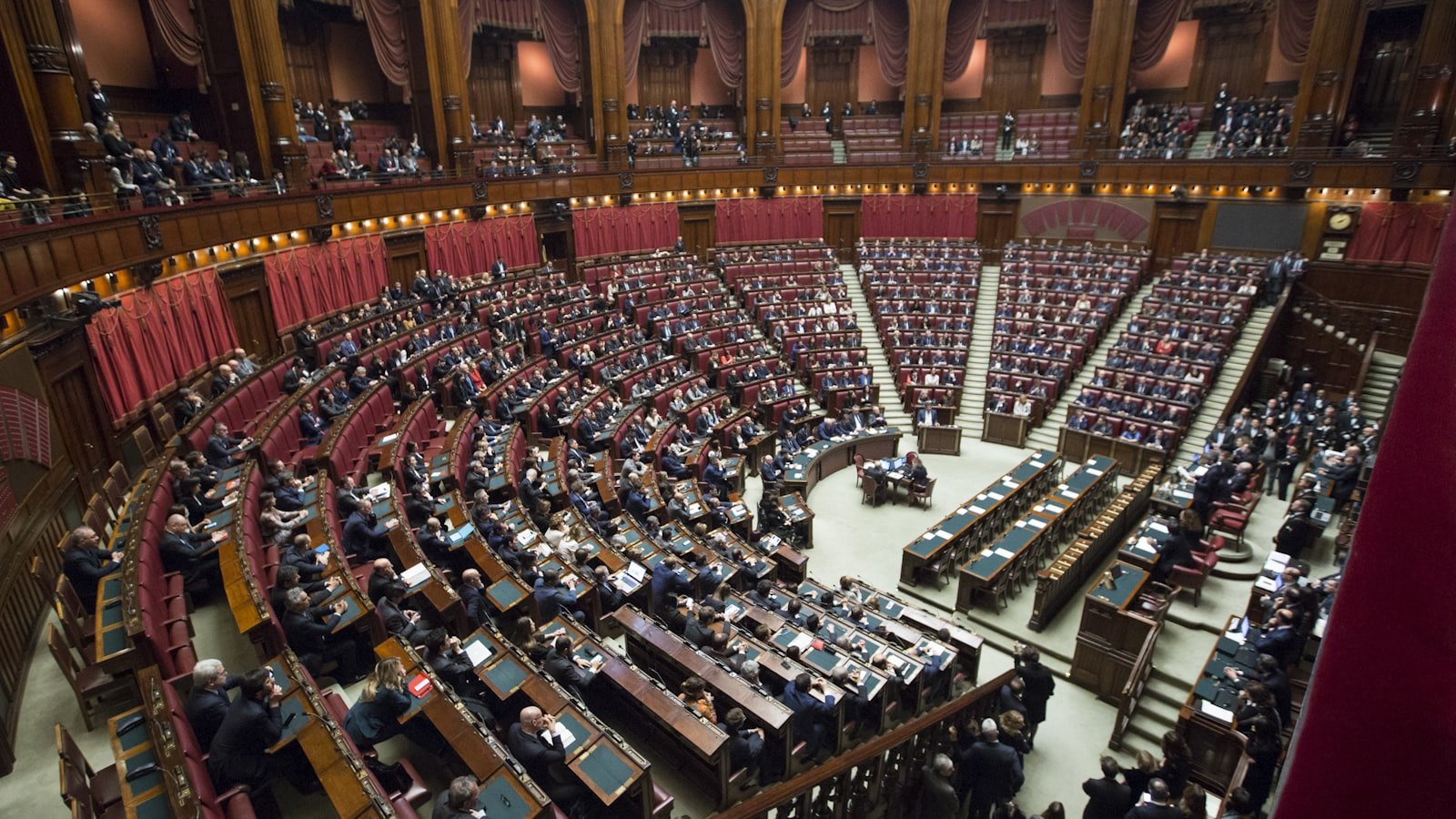
The demonstration was organised to coincide with a meeting of the Chamber of Deputies’ Constitutional Affairs Committee, which is examining legislation approved by the Senate on March 4 by a large majority.
No sistema constitucional da Itália, um projeto de lei deve ser aprovado por ambas as câmaras no mesmo texto antes de poder se tornar lei.
At the centre of the controversy is the possible adoption into national law of the International Holocaust Remembrance Alliance’s (IHRA) definition of anti-Semitism, which critics argue conflates anti-Semitism with criticism of Israel.
According to the IHRA, “denying the Jewish people their right to self-determination, eg, by claiming that the existence of a State of Israel is a racist endeavor”, is anti-Semitic, as is “drawing comparisons of contemporary Israeli policy to that of the Nazis”.
Anneliese Baldaccini, da Amnesty International Itália, disse que o projeto de lei, se adotado, se aplicaria em escolas, universidades, plataformas sociais e associações culturais.
A lei proposta é “baseada em uma definição que censura a crítica política”, disse ela.
Ativistas argumentam que a legislação existente já fornece as ferramentas para combater crimes de ódio.
They are instead calling for the adoption of the Jerusalem Declaration on Antisemitism, a non-binding set of guidelines that seeks to combat anti-Semitism while protecting freedom of expression that was developed in response to the IHRA definition.
Speaking to Al Jazeera, Francesca Albanese, the Italian legal scholar and UN special rapporteur on the situation of human rights in the occupied Palestinian territory, said legislation equating criticism of a state with anti-Semitism risked restricting freedom of expression.
Ela argumentou que o projeto de lei poderia limitar a capacidade de analisar, documentar e criticar o “apartheid state of Israel”, e acusou a Itália de priorizar a proteção de Israel em detrimento da responsabilização.
She described Italy, under the current government, as one of Europe’s strongest defenders of Israel.
Tony La Piccirella, a Palestine solidarity activist who was part of the Global Sumud Flotilla, said he worried that the bill “provides a legal instrument to attack newsrooms, online information platforms and social media, in order to silence anyone who denounces the genocide and the entire economic system that sustains it”.
But the legislation has received strong backing from Italy’s Jewish institutional leadership.
Noemi Di Segni, president of the Union of Italian Jewish Communities (UCEI), was heard by the Senate’s Constitutional Affairs Committee in January and described legislative action against anti-Semitism as “urgent and unavoidable”.
Di Segni, que nasceu em Jerusalém e serviu nas forças armadas israelenses, repetidamente rejeitou descrever a guerra de Israel em Gaza como genocídio.
In January 2025, she called such accusations “unacceptable”, arguing that terms including “genocide”, “concentration camp”, “starve”, “Nazi” and “apartheid” should not be used to describe Israel’s conduct.
The bill has exposed divisions that cut across the government-opposition divide.
Foi aprovado pelo Senado por uma grande maioria que incluiu grande parte da oposição. Seis senadores do Partido Democrático votaram a favor, enquanto o partido como um todo se absteve, e essas divisões continuam na Câmara.
Among the bill’s most outspoken opponents is Stefania Ascari, of the Five Star Movement, who addressed protesters before entering parliament.
The committee’s sitting ended without a vote or substantive examination.
Entretanto, os ativistas dizem que continuarão a se reunir fora do parlamento e nas ruas, para expressar suas preocupações.
Advertisement ConnectConnectShow more Our ChannelsOur ChannelsShow more Our NetworkOur NetworkShow more Follow Al Jazeera English.


Comentários
Participe da conversa. Comentários passam por moderação antes de aparecer.
Carregando comentários…