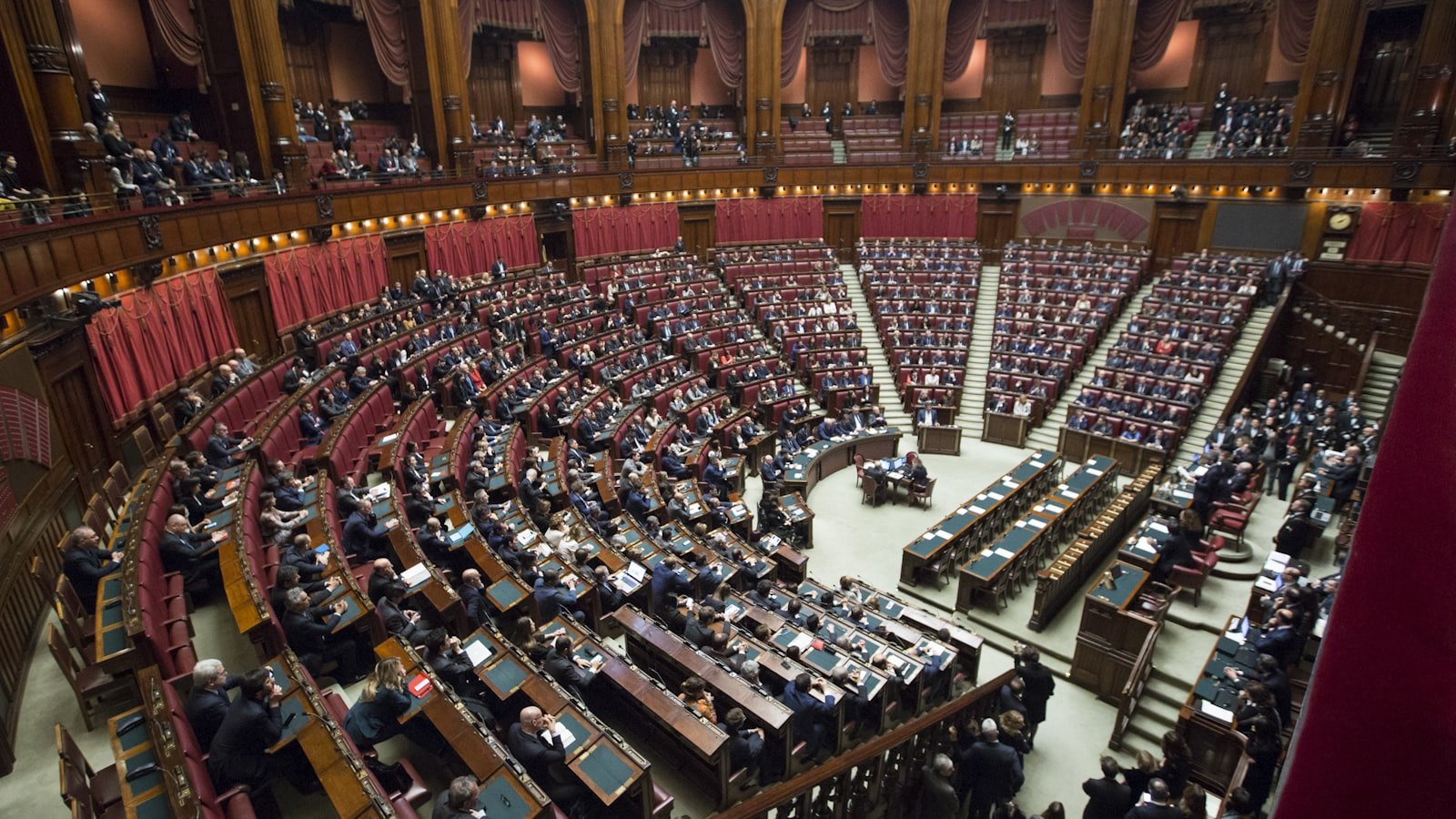
Supporters of the president, Hakainde Hichilema, campaign in Lusaka, Zambia. Photograph: Anita Reed/APView image in fullscreenSupporters of the president, Hakainde Hichilema, campaign in Lusaka, Zambia.
Hakainde Hichilema está concorrendo a um segundo mandato, mas a rixa entre ele e a família de Edgar Lungu, que morreu em 2025, continua.
As Zambians go to the polls on Thursday, the ghost of the current president’s predecessor hangs over the elections.
Hakainde Hichilema, 64, is bidding for a second term leading the southern African country after defeating his arch-rival Edgar Lungu by a landslide in 2021.
A feud between the two men, their families and supporters has dominated Zambian politics, to the extent that the quarrel has continued even after Lungu died in South Africa in June 2025.
Zambia’s government went to court to try to stop the burial of Lungu by his family, who did not want Hichilema presiding over a state funeral. In June, South Africa’s supreme court of appeal ruled in favour of Lungu’s family, overturning a previous high court decision in favour of the government.
Nesta eleição, Hichilema enfrenta a Aliança Tonse de partidos de oposição liderada por Brian Mundubile, 55, que foi um chicote do governo sob Lungu. O companheiro de chapa de Mundubile, Makebi Zulu, atuou como porta-voz da família Lungu durante a disputa pelo enterro, e na trilha da campanha os dois homens prometeram trazer o corpo de Lungu de volta à Zâmbia para um enterro digno.
The way death is dealt with is very important in Zambia, said Christopher Vandome, a senior research fellow at the thinktank Chatham House. “Even Hichilema supporters want to see due respect given to those that have died,” he said.
The shadow of Lungu has also hung over allegations by the Tonse Alliance that Hichilema has deployed authoritarian tactics during the election campaign, including raiding its offices and detaining 36 members of Mundubile’s team.
Hichilema’s team furiously denied the claims, invoking Lungu’s treatment of Hichilema during the last election. “Zambians know what repression looks like. In 2021, the opposition leader [Hichilema] had been arrested 15 times, Prime TV [a private station] and the Post [a newspaper] had been shut down, and on election day the internet was switched off,” said a spokesperson for the ruling United Party for National Development.
Transparency International Zambia monitors have recorded incidents of police interrupting opposition rallies, said Tamika Halwiindi, a coordinator at the organisation.
Durante o mandato de Hichilema, ativistas também relataram que manifestações pacíficas foram encerradas. Mputa Ngalande, da Fight Inequality Alliance, disse que estava entre um grupo detido por mais de 12 horas em julho de 2024, quando estavam protestando contra a companhia de energia estatal durante um período de apagões de 22 horas por dia.
Vandome said: “[Hichilema’s] prospects of winning are very high. But his … personal lived experience of how complicated Zambian elections can be has given him this insecurity which is actually counting against him.
denting his image in a way he doesn’t have to.”.
Nesrine Malik, Micha Frazer-Carroll and the team guide you through the biggest Black stories from around the world.
Zambia’s economy has stabilised since an economic crisis, which was triggered when it defaulted on its debts in 2020 under Lungu. Annual inflation is now 6. 5%, compared with 24.
6% in July 2021. The government made primary and secondary education free in 2022.
Enquanto isso, a Zâmbia atraiu mais investimento internacional nos últimos anos devido às suas enormes reservas de cobre, um material fundamental nas tecnologias verdes.
At the start of the month, in a giveaway to young voters, Hichilema, also known by his initials HH and nickname Bally (a slang word for an elder), told a crowd of jubilant university students that he was increasing their accommodation allowance by 50% with immediate effect.
Fontes
Informação baseada em material público de The Guardian World, reescrito pela redação ULTRA NOTÍCIAS.