
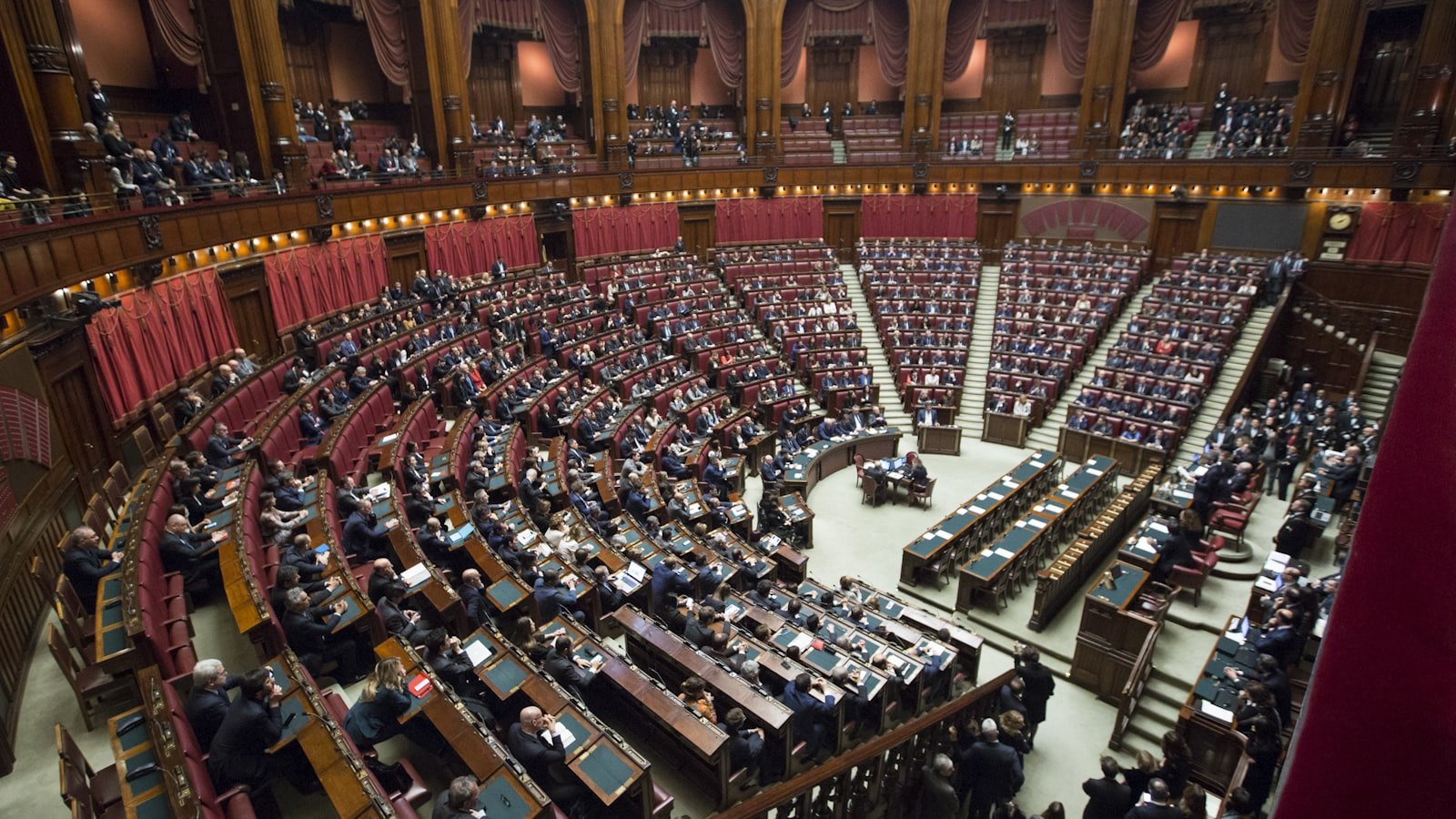
A importância da Venezuela para os EUA tem sido comprovada, repetidas vezes, ao longo do último século. Composição: Prina Shah para o Guardian/AP/AFP/Getty Images.
- Trump ally defends Venezuela oil deal amid ‘gunpoint diplomacy’ criticism.
Um olhar visual sobre como a relação de Washington com Caracas passou de cordial para ‘predatória’.
Prefer the Guardian on GoogleWritten in the middle of the last century, the US Department of State memo conveys its message in a curt and undiplomatically honest tone: the glue that binds Washington to Caracas is, and is always likely to be, oil.
Decades later, little appears to have changed. After a brazen night-time kidnapping of the country’s leader earlier this year, Donald Trump announced last week that the US was taking majority control over about a fifth of Venezuela’s oil reserves.
That deal, according to the White House, “secures our energy dominance for the next century”. How much it will benefit Venezuelans is yet to be seen.
A importância do país para os EUA tem sido comprovada repetidas vezes ao longo do último século. Lar das reservas de petróleo mais extensas do mundo, a Venezuela manteve aviões, navios e tanques aliados bem abastecidos durante a Segunda Guerra Mundial.
Washington and Caracas largely cooperated over the following decades, with US energy companies heavily involved in Venezuela’s oil industry, and profiting from it immensely.
But relations took a nosedive in 1999, when Hugo Chávez became president.
A self-professed socialist and anti-imperialist, Chávez made alliances, and often oil deals, with China, Iran and Russia. Venezuela switched 180 degrees to become a natural adversary of the US, alongside its ally Cuba.
View image in fullscreenHugo Chávez pictured in 2010. Photograph: ReutersRelations deteriorated further when Chávez was briefly detained by his own military after a deadly crackdown on mass anti-government protests.
O golpe tentado durou apenas dois dias e ele logo voltou ao palácio presidencial, acusando Washington de envolvimento no golpe fracassado.
Chávez deepened Venezuela’s dependence on oil exports in the years that followed. In 2007, he stepped up his battle with Washington with a wave of nationalisation in which he seized oilfields, including those that US firms had operated.
Caracas nacionalizou a indústria petrolífera décadas antes, mas havia permitido que empresas dos EUA lucrassem com a extração. Sob os novos termos de Chávez, no entanto, a empresa estatal de petróleo recebeu controle de uma participação majoritária e empresas estrangeiras foram oferecidas participações minoritárias.
Oficiais da Guarda Nacional atiram gás lacrimogêneo em manifestantes em abril de 2002. Entre as empresas petrolíferas americanas, a Chevron concordou com as piores condições, mas a ExxonMobil e a ConocoPhillips recusaram e, de fato, foram excluídas da indústria.
Only Chevron, the second largest US oil company, has continued to operate in the country. ExxonMobil and ConocoPhillips engaged in a years-long legal battle with Venezuela for compensation.
The World Bank’s international centre for the settlement of investment disputes awarded them billions of dollars, but Venezuela has never paid the money in full.
Still, much of the country’s oil infrastructure was built with foreign involvement, and foreign companies are still active in the exploitation of the fields, among them Russian, Chinese and Cuban firms, as well as UK and European companies, including Shell, BP, Italy’s Eni and Spain’s Repsol.
Quando Chávez morreu em 2013, Nicolás Maduro ascendeu ao poder. O ex-chofer de ônibus havia trabalhado como seu ministro das Relações Exteriores e continuou uma política antagonista em relação aos EUA.
Maduro’s rule was considered dictatorial. The UN estimated in 2019 that more than 20,000 Venezuelans had died in extrajudicial killings. Key institutions, such as the judiciary, were eroded under Maduro and the rule of law deteriorated.
View image in fullscreenSupporters of Venezuela’s government protesting in Caracas on 3 January 2026 after the US seized Nicolás Maduro. The US has portrayed the Maduro government as illegitimate.
A Washington-led sanctions campaign compounded widespread corruption, and the Venezuelan economy suffered.
Não ajudou a relação que Maduro manteve laços estreitos com Moscou e Pequim. Cerca de 80% do petróleo bruto que a Venezuela produzia era exportado para a China antes do bloqueio imposto pelos EUA em dezembro.
China is the world’s biggest oil importer, and takes the shipments as repayment for loans it previously gave to Caracas, often at low prices.
Since the start of his second term, Donald Trump had repeatedly called for Maduro to be ousted, accusing him of sending drugs and criminals to the US – a claim experts say lacks evidence.
Ele também afirmou que Maduro estava roubando petróleo dos EUA, uma referência à apreensão de Chávez.
Trump’s administration began to carry out airstrikes against alleged drug traffickers in the Caribbean Sea and then to seize Venezuelan tankers, while building up the US military presence in the waters surrounding the country.
Footage shows US special forces boarding a tanker off VenezuelaTrump gave Maduro an ultimatum to relinquish power in late November, offering him safe passage out of the country.
But Maduro refused the offer, telling supporters he did not want “a slave’s peace” and accusing the US of wanting control of his country’s oil reserves.
Em janeiro, na expressão máxima de um colapso de relacionamento, forças dos EUA realizaram uma incursão antes do amanhecer em Caracas, capturando Maduro e sua esposa, Cilia Flores, que agora estão em julgamento em Nova York.
Venezuela’s acting president, Delcy Rodríguez, initially denounced Maduro’s capture as a kidnapping, but has since shown she is willing to work with Washington.
No pós-abdução de Maduro, Trump disse que os EUA assumiriam o controle da indústria petrolífera venezuelana. E em agosto, após meses de negociações secretas, a política de foco no petróleo de Washington voltou a ser exibida quando o presidente dos EUA anunciou o acordo para controlar milhões de barris de petróleo.
A White House press release described the agreement as the “biggest oil deal in world history” that gave the US government “powerful governance rights” over reserves.
Further down in the document, the White House claimed private-sector growth would help drive a democratic transition in Venezuela, though few in Caracas will be holding their breath.
Rodríguez já foi forçada a se defender contra alegações de que está entregando os recursos naturais da Venezuela a um poder estrangeiro.
One prominent Venezuelan economist has called the deal “predatory”, saying it was “done at gunpoint”. Francisco Rodríguez wrote that Washington’s actions in Venezuela had turned the country into “a protectorate in all but name”.

Comentários
Participe da conversa. Comentários passam por moderação antes de aparecer.
Carregando comentários…