Sedição ao hino: Muitas vidas dos gritos de "Azadi" nos protestos da juventude na Índia | Notícias de Protestos | Al Jazeera Pule linksPule para o Conteúdoassistir Ao Vivo Cadastre-seMostrar menu de navegaçãoMenu de navegaçãoNotíciasMostrar mais seções de notíciasÁfrica.
The slogan has returned, gaining new life in Indian politics and challenging Modi’s government.
A day earlier, protests over an exam leak scandal, led by the Cockroach Janta Party (CJP), had led to the ousting of India’s Education Minister Dharmendra Pradhan.
Índia reprime manifestantes acusados de 'abuso' a Modi.
list 2 of 4‘Hi friends’: Modi’s curious campaign to win over Gen Z.
list 3 of 4‘My father is in RSS’: India’s Gen Z confronts Modi-loving parents at home.
list 4 of 4Indian PM Modi warns about left-wing activists in Independence Day speech.
The entry curve of the protest strip read: “#2026 Gen-Z REVOLUTION!!!”.
Um homem no início dos vinte anos subiu uma árvore carregando um potente alto-falante e tocou uma música. Azadi, me dê liberdade. Azadi, me dê liberdade. Azadi, me dê liberdade.
A multidão seguiu as palavras, com as mãos levantadas no ar.
Azadi, translated as “freedom” in English, a popular hip-hop song from the Bollywood film Gully Boy, became the anthem of the student protests in one of the biggest challenges to Prime Minister Narendra Modi’s Hindu nationalist government in years.
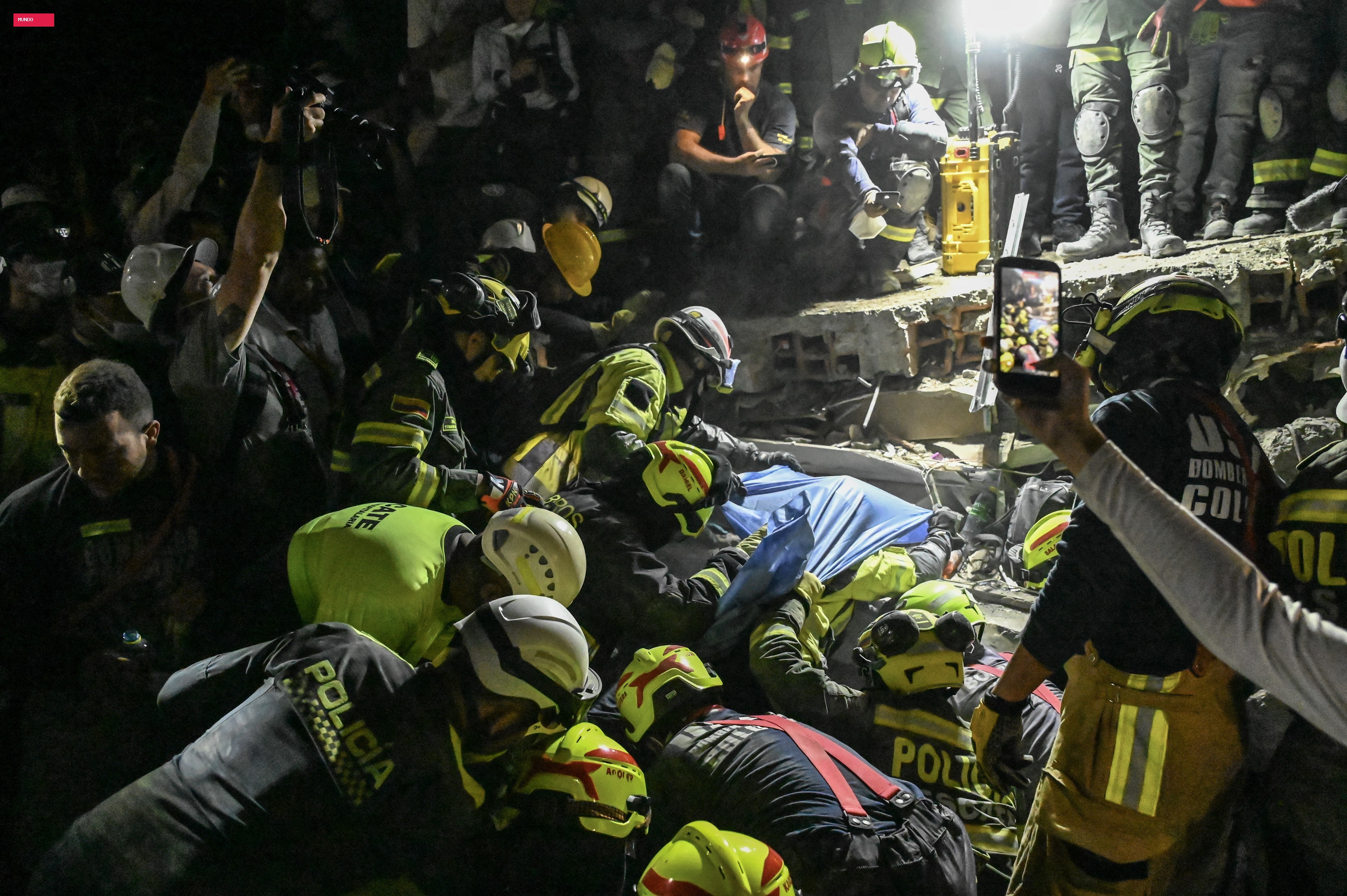
Fast-paced video footage of police personnel beating students at New Delhi’s Parliament Street gave a new lease of life to the nearly decade-old track.
It was not just in Delhi – the chants reverberated in other cities such as Jaipur, Lucknow and Mumbai.
Há apenas uma década, Azadi era uma das palavras mais radioativas — e slogans de protesto criminalizados — em Delhi, pelo que líderes estudantis foram presos por traição.
After thousands of protesters returned home following the minister’s resignation last month, the lights at Jantar Mantar had gone out. But rows of bright-yellow metal police barricades still lined the street.
Many of them were painted over by protesters. One of them read, in red: “Umar, Sharjeel, Gulfisha were here before you”.
The journey of the Azadi chant — from Pakistan’s feminist movement, the Kashmiri resistance, to the mainstream in India — charts the evolution of both a political slogan and student politics and activism in India under Modi’s rule over the last decade.
December 9, 2016, was supposed to be a casual evening at Jawaharlal Nehru University (JNU), one of India’s premier public universities that for decades has also been a cauldron of political activism.
Um grupo de estudantes se reunindo para se encontrar era apenas mais um evento banal. Esta reunião foi para discutir a pena capital na Índia, analisando o caso de um caxemiriano, enforcado por um ataque armado ao parlamento da Índia em 2001.
At least, that’s how Banojyotsna Lahiri, a close friend of Umar Khalid and one of the organisers of the event, who spoke to Al Jazeera, remembered that winter evening.
Indian TV media channels, seen as friendly to Modi’s government, made the event a national political flashpoint, repeatedly airing footage of students chanting Azadi slogans, led by then JNU student union president Kanhaiya Kumar.
Pro-Modi media labelled the students as “sympathisers of terrorists” and some channels even aired doctored clips about the event.
Estudantes como Khalid e JNU se tornaram nomes conhecidos em todos os lares à medida que a controvérsia "saiu de proporção", disse Lahiri.
The JNU has been a traditional bastion of left-liberal politics, which also puts it in the crosshairs with the country’s Hindu majoritarian right, especially under Modi.
But it was not the only university with popular anti-establishment politics at the time.
After a Dalit student, Rohith Vemula, died by suicide in Hyderabad, in southern India, alleging caste discrimination, the Central University there erupted in protests, followed by a government crackdown.
These events in early 2016 kicked off a government campaign that gradually eroded space for dissent and expression in India’s public universities. Students said this has worsened over the years.
Ganjas de direita atacaram líderes estudantis. Khalid foi baleado em Nova Deli. Universidades bloquearam permissões para realizar discussões, exibições de filmes ou protestos.
Lahiri said that the media campaign led to serious repercussions for those involved in the protests.
In 2019, protests erupted against proposed amendments to India’s citizenship laws, which were seen as discriminatory against Muslims and rendering them second-class citizens.
Several Muslim student leaders in Delhi shot to national prominence for their fiery speeches and organising protests against the proposed Citizenship Amendment Act (CAA).
O governo pareceu recuar da ideia de uma triagem nacional para determinar quem se qualifica como cidadão indiano diante dos protestos.
Another crackdown followed, jailing dozens of prominent student activists and burying their cases under piles of charges, including terrorism.
After the citizenship protests in 2019, which ran into 2020, students say the spaces in universities for protest shrank even further.
Police presence and inquiries were beefed up; students allege that several politically biased appointments to university administrations were made, and funding for research and institutions was slashed.
Seis anos depois, líderes estudantis como Khalid, que foi preso novamente, e Sharjeel Imam continuam presos sem julgamento.
After the controversy in 2016, the visuals of JNU reverberating with Azadi slogans inspired a music producer, Dub Sharma, to layer electronic beats over the crowd chants, which flows as the central melody.
Those slogans called for freedom from caste-based hierarchy, capitalism, hunger, and to break free from the influence of the right-wing Rashtriya Swayamsevak Sangh (RSS), the ideological fountainhead of Modi’s Bharatiya Janata Party.
Three years later, the track was tapped by director Zoya Akhtar for her 2019 Bollywood flick, Gully Boy, inspired partly by the poverty of rappers in Mumbai’s slums.
Sharma recreated the song for the movie — and recruited popular Mumbai artist Divine to rap to it.
But the revised version of the song only retained “freedom from hunger” from the crowd’s original chants, omitting other calls for social justice. The film’s team faced criticism for hollowing out the original track but they defended it, arguing that the track was altered to suit the film’s own arc.
Sete anos atrás, na versão recriada, Divine rapped sobre a desigualdade de renda, os filhos privilegiados dos políticos e convocou as pessoas a tomar o controle de um sistema corrupto — todos os quais se tornaram o tema central dos protestos da Geração Z em todo o mundo.
Under Modi, India has continued to slide in multiple democratic indices. This year, Sharma’s rehashed score became the anthem of the students’ resistance, calling for wider educational reforms.
The earliest modern political life of the Azadi chant can be traced to Pakistan’s feminist resistance to General Zia-ul-Haq’s military dictatorship in the 1980s.
The late Indian feminist activist Kamla Bhasin recalled being inspired by the chant’s fluidity and adopting it to the Indian subcontext, making the calls suitable to specific protests.
Kashmiri resistance to Indian occupation adopted the slogan in the late 1980s as well. The left liberal movement in New Delhi caught up, too. But their calls to freedom were specific to their unique contexts.
Um ano antes de Bhasin falecer em 2021, ela se referiu aos cantos de Azadi em uma entrevista como “um slogan vivo e respirando”.
Beginners’ guide to protesting in Delhi.
A month after India’s chief justice controversially equated India’s unemployed youth with cockroaches and parasites, the insult caught the national imagination last June.
Dipke returned to India, pledging to launch an agitation, channelling support in calling for education reforms starting with the resignation of the former education minister, after a series of examination scandals that affected millions of Indian students.
On June 6, he landed in New Delhi and came straight to the Jantar Mantar protest site, where he stood with Neha Bora, the national president of All India Students Association (AISA), the student wing of the Communist Party of India (Marxist-Leninist).
Bora, uma jovem de 29 anos, estava com a AISA há oito anos, desde seus dias de faculdade em JNU, em Delhi.
Bora said student unions, like hers, “helped the protest stand” and take shape.
After the protest occupied the Jantar Mantar strip, defying frequent police orders to vacate, Bora’s AISA, alongside the Student Federation of India (SFI), another prominent left-wing student organisation, organised a protest camp.
Six students joined educator-turned-activist Sonam Wangchuk, 59, on a hunger strike.
For a month, student volunteers from these organisations took shifts at the protest site, making sure it was occupied at all times. They gave the protest slogans, placards, and a voice that helped bring it international prominence.
The Jantar Mantar protest was particularly remarkable in ways that experienced protest organisers — whose politics for years has been criminalised or sidelined — quietly equipped a younger generation to organise what, from the outside, appeared to be a leaderless movement, political analysts say.
Com isso, veio o mesmo roteiro dos opositores para deslegitimar os estudantes, disse Bora. Por semanas, eles lutaram contra "conspirações infundadas e alegações de serem antinacionais ou financiados por estrangeiros.
Em um momento, o Ministro da Educação Pradhan chamou os manifestantes de "equipe B de terroristas.
However, this time, criminalising the young protesters did not work, and the demonstration continued to grow in popularity. Rather, the movement, campaigning on education issues, gave the student organisation a shot at gaining a foothold in national politics, said Apoorvanand.
This summer, the grammar of Indian politics appeared to flip in the Gen Z protest wave. A stroll through the protest strip, reverberating with Azadi chants, raised a question: what had changed in New Delhi since 2016.
Before peeling back the layers, Lahiri, Khalid’s friend, insists that one needs to settle on a baseline: “The earlier citizenship protests were for Muslims, led by Muslims.
Their names were Muslims, therefore [they were] easier to criminalise.” Several political analysts agree.
Em contraste, nenhum dos nomes mais proeminentes nos protestos estudantis deste ano era muçulmano — embora os organizadores tenham repetidamente denunciado a "política de ódio e divisão" do governo que está no poder, que tem sido criticado por supostos ataques mirados contra minorias.
Mohammad Junaid, a volunteer at the site, became the most visible Muslim face at the Jantar Mantar strip. Even before everyone had returned home after the protest ended, Junaid and his family members were picked up and harassed by police, he said.
At one point, the Cockroach leaders asked the protesters to refrain from chanting “negative” Azadi slogans. That made no difference among the crowd, though.
N Sai Balaji, a student activist who served as AISA’s national president from 2019 to 2023, said there is a clear difference between the student leaders’ pre and post-citizenship protests, where they have moved on from being objects of representation to owning the narrative.
Balaji stressed that social media influencers and alternative media spaces reported the protest and became the main medium of amplification. Many began boycotting traditional media outlets seen as friendly to the government.
Em vez disso, por exemplo, quando vídeos de Bora em greve de fome foram vistos por milhões, Balaji disse, isso fez as pessoas questionarem o status quo. A classe aspiracional da Índia, que se sentiu traída pelas promessas quebradas do governo, encontrou esperança em pessoas que estavam sentadas de forma altruísta, enfatizou Balaji.
And with spaces inside universities criminalised, the students’ politics are yet again spilling out onto the streets, added Lahiri. She went a step further to note that unlike her own generation, the new student protesters are “trying to do politics under even harsher circumstances”.
Call it shallow, Lahiri argued, breaking into a laugh, but just saying, “Fu** Modi,” is more of a slap in the face, instead of our sentiments coated in academic language.
Out of the flood of online memes and posters, one stayed with Lahiri. It read: “Umar Khalid walked, so Gen Z could run.” She is not sure if Khalid would agree with this, but she does.
Na opinião de Bora, ela disse à Al Jazeera, o movimento de cidadania de 2019 liderado por muçulmanos "inspirou uma revolução dentro" dela, o que a mantém motivada até hoje.
Painting her predecessors as antinationals and traitors of India, Bora said, the Modi government criminalised the mere expression of the word Azadi by “creating so much noise around it.”.
However, “when students faced police brutality — when the wounds of those batons were fresh on their bodies — one understands that the Azadi slogan is the most radical assertion of fundamental rights in India”, Bora said.
Fontes
Informação baseada em material público de Al Jazeera, reescrito pela redação ULTRA NOTÍCIAS.