





O instrumental de grime mais icônico de todos os tempos, 'Pulse X', permanece um clássico para DJs e MCs há duas décadas e meia desde seu lançamento. Tendo tido mais uma reedição via White Peach este ano, Musical Mob OG Youngstar desmonta a produção simples, porém eficaz, da faixa, sua dominação nas rádios piratas e seu apelo duradouro.
É verão de 2001 e um jovem de 18 anos, chamado Youngstar, está alternando entre estações de rádio pirata no quarto de sua casa de infância em Hendon, no noroeste de Londres.
Faltam apenas alguns meses para ele lançar o instrumental seminal de grime, ‘Pulse X’, como parte do coletivo Musical Mob.
Ele acabou de ouvir um dubplate da produção tocado em uma estação que começa a perder sinal. Ao mudar o dial, ele encontra outro DJ em um pirate diferente tocando ‘Pulse X’, antes de mudar para outra estação com MCs sprayando versos sobre a faixa exatamente ao mesmo tempo.
Gravado apenas algumas semanas antes de começar a bombar na rádio pirata, o poder de ‘Pulse X’ vem principalmente da sua simplicidade. Um bloco bruto de minimalismo feroz, é essencialmente um loop de 16 compassos composto por duas seções de oito compassos; pouco mais que alternância, linhas de baixo fortemente distorcidas, palmas e um hi-hat, salpicado com algumas variações menores em direção ao final.
Mas o resultado de sua abordagem enxuta é maior do que a soma de suas partes, como qualquer pessoa que tenha ouvido ‘Pulse X’ em um sistema de alto desempenho pode atestar.
É um instrumental que continua a soar como se fosse do futuro, décadas após seu lançamento original. Poucas faixas se tornaram tão sinônimas de um som quanto 'Pulse X', tocado quase incessantemente por três gerações de grime e contando.
Mas também causou um enorme impacto fora desse cenário. Foi lançado em alguns dos maiores palcos da música dance, por DJs como Four Tet em seu mix 'FABRICLIVE 59' de 2011, e no Earl’s Court como parte do Red Bull Culture Clash 2014.
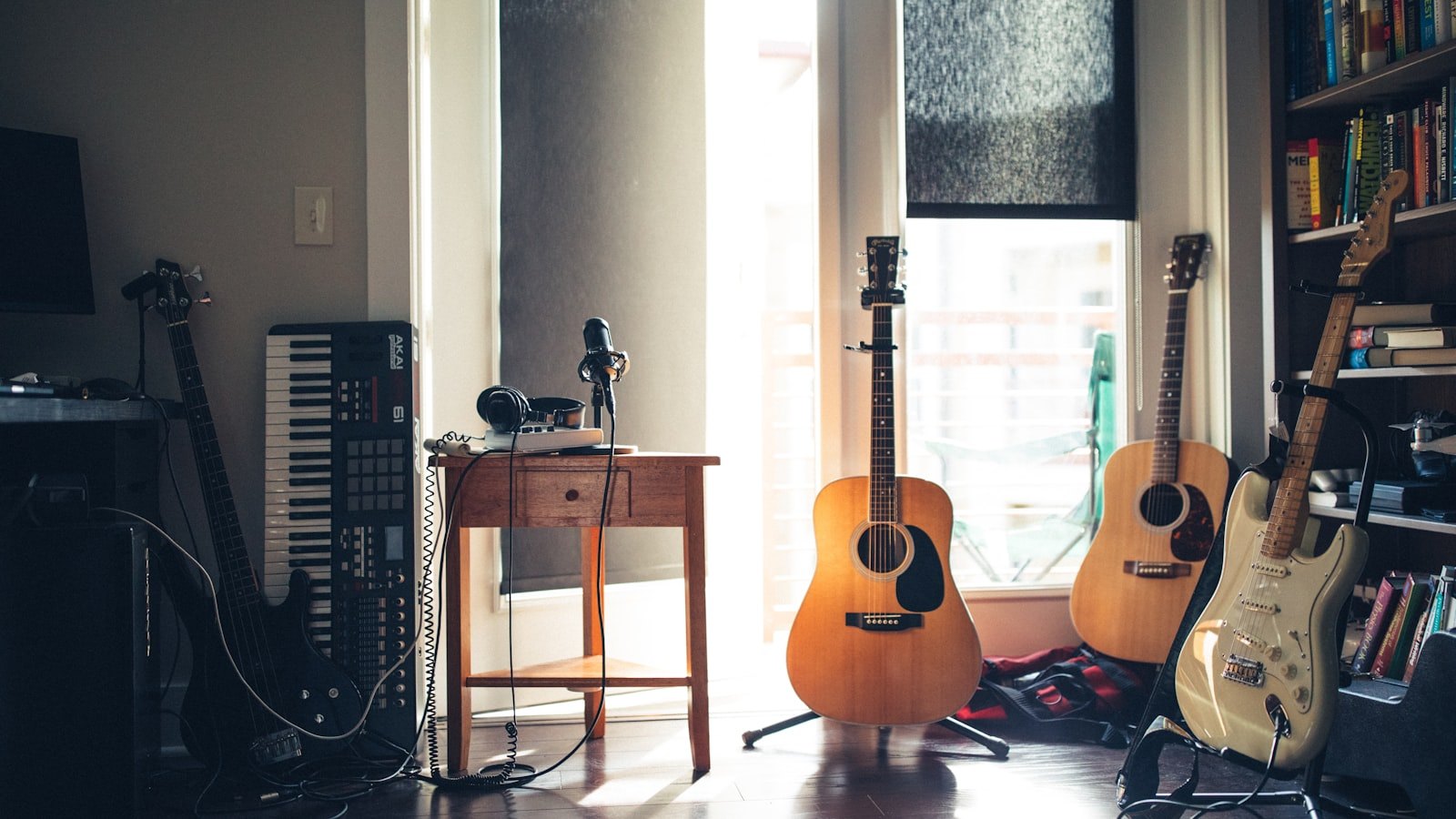
A faixa foi gravada em uma única sessão no estúdio caseiro de Youngstar, localizado na garagem dos pais, composto por um PC com Windows e uma placa de som Terratec, uma mesa de som Spirit Folio SX20, um amplificador vintage JVC JA‑S11, um sampler Akai e alguns monitores vintage ’70s.
Crescendo ouvindo jungle/drum & bass de artistas como Ray Keith, Roni Size, DJ Krust, Shy FX e outros lançados pela V Recordings, ele já estava produzindo batidas desde os 15 anos, experimentando em diferentes DAWs.
Era uma época em que o UK garage havia começado a se fragmentar em novos sons, e vários produtores como Wookie, El-B, Sticky, DJ Narrows, Groove Chronicles e Horsepower Productions estavam experimentando no lado mais escuro e mais esparso desse espectro sonoro.
Youngstar teria feito batidas constantemente durante esses anos, e alguns dos amigos do irmão mais velho dele passaram tempo trabalhando com ele no estúdio. Como coletivo, eles se chamaram Musical Mob, composto por Dynamic M, LMG, J Wing, Rugrat, Untouchable e MC DizzMan.
Há muito tempo rumorado que teria sido feito em algum lugar no PlayStation’s Music 2000, Youngstar diz que ‘Pulse X’ foi realmente produzido no Propellerhead ReBirth, um sintetizador/máquina de bateria virtual, usando o Voyetra’s Digital Orchestrator Pro como sequenciador MIDI.
Dynamic M and LMG were in the studio the night it was recorded. Youngstar loaded up some drums he’d already laid down for them to listen to.
Made during the peak of London’s ’00s dubplate culture, Youngstar took the recording down to Music House in Holloway to get it cut, where he gave it to DJ Fonti from Heartless Crew.
Eles levaram para Ayia Napa, tocaram lá, e a reação foi simplesmente louca. Eles voltaram, e nós só ouviram: “Todos estão pedindo essa faixa”, ele explica.
At the time he would regularly go to record shops in London’s West End like Black Market, Release The Groove and Uptown Records to buy new music. “Every time I went there, they was like, ‘Yeah, we want that tune.
During the summer of 2001, the dubplate got passed to DJs including Slimzee, DJ EZ, Martin Larner, DJ Karnage, and Nikki Slim Ting, who were blowing it up on pirate radio; the track became inescapable on London’s airwaves.
As the year headed into autumn, Youngstar also witnessed ‘Pulse X’ played at Eskimo Dance at Area Club in Watford and Sidewinder in Milton Keynes. “We’d hear tape packs and MCs like Dizzee would be on there.
Despite having an offer from EMI Records in place, Musical Mob opted to set up an independent label for ‘Pulse X’, putting it out as the first release by Musical Mob in early 2002.
It was the only release to come out on Inspiration Records, which was quickly renamed Inspired Sounds Records. They initially pressed up 100 white-label copies and Youngstar went to Black Market and Uptown Records, who took the lot.
While 12” singles averaged around £5 at the time, the shops shifted them immediately at £10 each for the one-sided pressing.
Released before the grime sound had a name, ‘Pulse X’ landed at a time that artists like Wiley, Dizzee Rascal, Jon E Cash, DJ Wire, Jammer, J Sweet and DJ Eastwood were all experimenting with minimalist productions, often utilising square-wave basslines, collectively zoning in on something rhythmically and structurally distinct from UK garage and 2-step.
Era a música que capturava a energia de muitos jovens em Londres na época, enquanto a decadência do UKG se acalmava.
They were following in the footsteps of artists like So Solid Crew, who had been stripping beats back to the bare minimum to make room for MCs around the turn of the Millenium.
Their track ‘Dilema’ — doing the rounds as a dubplate before its release in 2000 — had an alternating 16-bar/8-bar structure that gave them the framework to flow.
The following year, Sticky’s ‘Booo!’ featuring Ms. Dynamite was labelled UK garage, but the production on its chorus section felt like a radical change from the sound, while Pay As U Go had been cutting proto-grime dubs for pirate shows before releasing ‘Know We’ in 2001.
It’s perhaps impossible to definitively say what the first true grime instrumental was, but the structure and rhythmic intensity of ‘Pulse X’ made it one of the first to fully cement its position as something unique to the hybrid garage sounds that came before it.
The track’s two repeating eight-bar sections helped shape the direction of grime when the sound was still in its infancy, laying the blueprint for what would come to be referred to as 8-bar.
Sua estrutura deu aos MCs um quadro claro para sprayar quando passavam o microfone rapidamente na rádio pirata, enquanto sua produção minimalista e estrondosa estabelecia as bases perfeitas para que eles entregassem suas rimas.
Apesar de abrir caminho para os instrumentais escuros, em loop, com baixo pesado que definiriam grande parte da explosão inicial do som, Youngstar descreve o processo de criação da estrutura de oito compassos de ‘Pulse X’ como “apenas um acidente”.
It showed young artists that they could make a big impact with something sparse and raw though, and opened the floodgates for a slew of producers to come through making the darker 8-bar sound, using ‘Pulse X’ as the blueprint.
Before the term grime was coined, Wiley called his productions eskibeat, and Jon E Cash named his sound sub low, while nu shape was used by many to describe more intricate tracks made up of 16- and 32-bar sections.
Alongside 8-bar, they made up fundamental parts of grime’s disruptive first wave, and what followed in terms of production over the coming years.
In a short timeframe the Musical Mob Royale label released a number of grime instrumentals that made a big impact, including ‘The Understanding’, ‘Raw 2 Da Floor’ and ‘Salsa’, before Youngstar broke away from the collective and formed his own DDJs Productions label to release his music on in 2002.
Ao longo dos anos seguintes, ele utilizou o selo para lançar uma série de faixas definidoras do grime, incluindo ‘Revival’, ‘Bongo’, ‘The Formula’, ‘Bongcat’, ‘Formula 2’ e ‘Shotta Riddim’.
He also went on to produce the beats behind chart-topping hits like Dizzee Rascal’s ‘Stand Up Tall’ — the lead single from his second album ‘Showtime’ — while revered producers like Spooky Bizzle have cited Youngstar productions as a major inspiration.
An almost infinite amount of freestyles have been delivered over ‘Pulse X’ in the years since its release. Notable recordings include Heartless Crew at Alexandra Palace, Roll Deep at Sidewinder, and Wiley and Dizzee over ‘Pulse X (VIP)’ at Sidewinder, all around the time of its release, while Skepta delivered his ‘That’s Not Me’ bars alongside Boy Better Know over the tune on Mistajam’s BBC Radio 1 Xtra show in 2015.
Era uma faixa que foi construída para MCs e DJs ao mesmo tempo," explica Youngstar. "Porque era uma música fácil de misturar. [E] assim que você a toca na rádio ou em um clube, o MC quer subir ao microfone.
That was the aim on the production side, then the MCs jumped on the track and paved the way for themselves.”.
It has also been remixed, refixed, bootlegged and sampled countless times. Youngstar recorded and released ‘Pulse Y’, ‘Pulse XYZ’, ‘Pulse 44’ and ‘Pulse Xtra’ in the years following its release.
Some of these were inspired by other producers’ bootlegs, which Youngstar would then record and release himself. Skepta’s ‘Pulse Eskimo’ paired sonics inspired by ‘Pulse X’ and ‘Pulse Y’ with the sliding square-wave synth melodies of Wiley’s eski sound.
Um pacote de remixes comemorando o 10º aniversário contou com reworks de Visionist, Blackwax, Slackk, Pedro 123 e Elsewhere, enquanto o instrumental de Mystry para 'Pulse 8' de JME — faixa de abertura do álbum 'Integrity' de 2015 — foi inspirado na produção.
Rude Kid sampled the bassline in his ‘One Take’ instrumental, while more recently, AS. IF Kid dropped ‘Pulse Hell’, as well as the acerbic ‘Pulse Breaks’ alongside Slimzee as E3 Breaks.
New-gen grime label Kenyon Sound have put out tracks themed on the release, while earlier this year, Sukh Knight made his ‘It’s Coming Home’ version a free download during the World Cup.
There was even a festive ‘Pulse Xmas’ version that did the rounds. Although none have endured in the same way as the original, they prove that ‘Pulse X’ has remained a core production in the second and third generations of grime, and a cornerstone of electronic music for many younger artists.

Comentários
Participe da conversa. Comentários passam por moderação antes de aparecer.
Carregando comentários…