





Um mix de DJ recentemente descoberto por Daft Punk, gravado para o programa KISS FM de Ralph Lawson em 1997, reacendeu o interesse neste período inicial da história do icônico duo.
Antes de se tornarem The Robots, e antes que seus shows ao vivo se transformassem em espetáculos de tamanho de arena, Daft Punk eram DJs. Mais ou menos. Aqui, Ben Cardew explora o mix redescoberto e como a abordagem de Thomas Bangalter e Guy‑Man de Homem‑Christo ao DJing ajudaria a moldar seu legado musical.
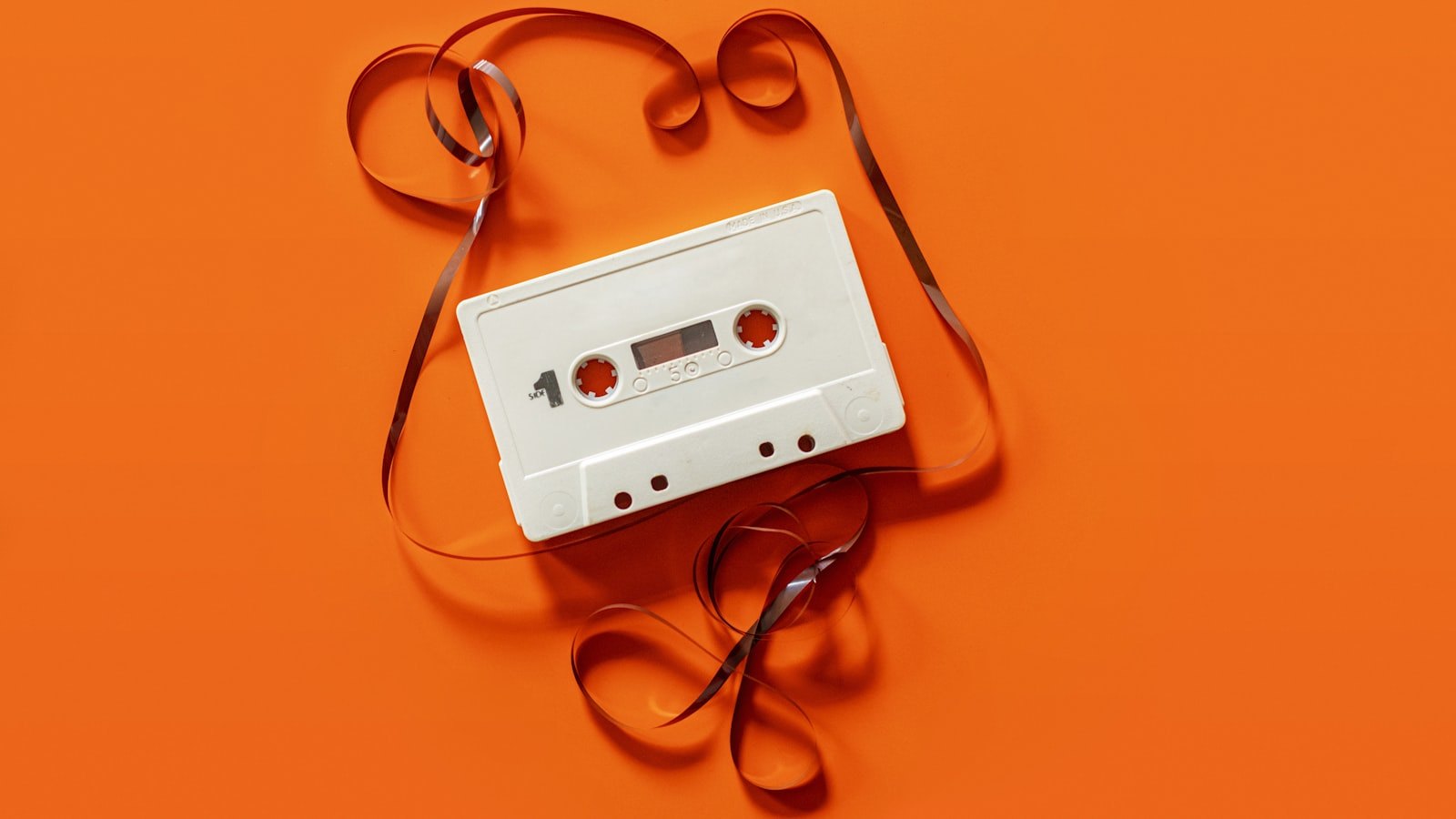
Em 2024, o DJ britânico Ralph Lawson encontrou o Santo Graal da música dance enquanto vasculhava seus arquivos. O DAT, que estava em uma caixa e não havia sido ouvido na maior parte de 30 anos, era um mix de DJ do Daft Punk.
O duo havia enviado para ser tocado em seu programa da KISS FM em fevereiro de 1997, apenas um mês após o lançamento de seu álbum de estreia 'Homework' e um mês antes da Radio One transmitir seu clássico Essential Mix.
Ao relembrar o momento em que descobriu a gravação, Lawson conta ao DJ Mag que inicialmente ficou tomado de nervosismo e quase perdeu a gravação por desgaste.
Embora a mixagem tenha sido transmitida originalmente conforme planejado no show Trans Europe Express de Lawson, a era pré‑internet significava que não havia arquivo para disponibilizá‑la para ouvir de volta.
By the time he dug it out, no one had heard the recording for almost three decades. So, on the recent re-sharing of the set, electronic music fans around the world obviously lost their minds.
Five and a half years after the iconic Parisian duo split, any Daft Punk news – be it a Lego collaboration or a Thomas Bangalter ballet score – tends to be welcomed with open arms.
But with Bangalter being in the midst of a tentative return to DJing over the past year – including sets at the Centre Pompidou in Paris, b2b with Fred again.. at London’s Alexandra Palace, and most recently at a tribute event to DJ Mehdi – the idea of Daft Punk as DJs, without spectacle or helmets, has been itching at the collective consciousness.
That’s not meant as a slight. Daft Punk are among the most influential producers in dance music; their live act was superlative and the labels that Thomas Bangalter and Guy-Man de Homem-Christo ran were pivotal.
But DJing was never a priority for them in the way that it was for their French peers like Laurent Garnier and Dimitri from Paris, or later collaborator DJ Sneak.
It’s not that they didn’t DJ at all. Bangalter and De Homem-Christo made their first DJ appearance as Daft Punk on 1st April 1994, in celebration of the release of their debut 12”, ‘The New Wave’.
The duo’s 1997 Essential Mix and later Essential Selection remain key moments in their history, while their 2001 Fabric mix gestures to where a possible ‘Discovery’ DJ tour could have gone.
But playing live was always more important. Daft Punk played their first live show in 1995, travelled the world in 1997, and made a global impact with the Alive 2007 tour and its subsequent album.
Even by February 1997, when the KISS FM mix was recorded, Daft Punk were already in the process of phasing out DJing from their arsenal, with the huge Daftendirektour live tour kicking off that same month in Chicago.
By the turn of the millennium, Daft Punk DJ sets were rare, particularly after Bangalter developed tinnitus.
No entanto, CK303 diz que Daft Punk “really struck gold” com seu Essential Mix de 1997. “I suspect it’s probably the only time that they really pushed themselves when it came to DJing,” ele diz.
Você pode perceber que o Daft Punk nunca buscou a perfeição técnica de DJ no mix do KISS FM. Em um aspecto, os níveis são um pouco erráticos: o “What To Do” de Bangalter é muito mais alto que o “Everybody Dancing” de Romanthony, que o precede.
They don’t exactly dig deep for the selection either. Many of the 22 records they play come from artists they would later collaborate with, remix or be remixed by, including Basement Jaxx, DJ Sneak, Boris Dlugosch and I:Cube.
Five of the tracks are by Daft Punk themselves – either as a duo or Bangalter solo – and they would go on to repeat five of these tunes in their Essential Mix.
But none of this really matters because, in their own way, Daft Punk were still fantastic DJs with unbelievable musical instincts. The KISS FM mix is a shining example of their art.
A seleção de faixas deles pode não ser surpreendente, mas certamente está perfeita; o mix vai e vem sem esforço enquanto produzem vários momentos de fusão musical impressionante.
Take, for example, that blend from ‘Everybody Dancing’ into ‘What To Do’, a heart-in-the-mouth collision of rhythms that provides an electrifying start to the mix, levels be damned.
Em seguida, há o ‘Fly Life’ do Basement Jaxx’s em seguida ao ‘Psychic Bounty Killaz’ de DJ Sneak & Armand Van Helden’s, duas faixas que parecem destinadas a serem fundidas.
While Daft Punk’s debut album, ‘Homework’, and its accompanying live sets presented wild and wonderfully abrasive mixtures of Chicago house, Detroit techno and French disco, their DJ sets have always tended to lean on the groovier side.
The KISS FM mix is house – and particularly Chicago house – through and through, with tracks from DJ Sneak (both under his own name and as Jack Da Ripper), House of Jazz, Parris Mitchell Project and CZR all featuring.
Outside of Chicago, the mix contains house from New Jersey (Romanthony), London (Basement Jaxx), New York (Armand van Helden, Sweet), Hamburg (Dlugosch), Canada (Dirty House Crew) and Paris (I:Cube), with the only trace of techno coming via Daft Punk’s own ‘Rock n’ Roll’.
Perhaps the mix’s most surprising and beautiful moment comes in the form of Glasgow duo New Soul Fusion’s ‘Prelude’, a deep house track that drifts into focus four songs in, bringing sharp relief to Jack Da Ripper’s caustic dancefloor slammer ‘Da Jacker’.
This somewhat obscure tune also brings a welcome dose of Daft Punk history to the mix: New Soul Fusion is Stuart McMillan and Jim Muotune, two of the founders of Glasgow’s Soma label, which released ‘The New Wave’ in 1994.
(Fun fact: Muotune would later write the theme to the hugely popular children's TV show Balamory).
Daft Punk dá um toque especial ao mix recém‑descoberto com ferramentas de bateria (Bangalter’s ‘Spinal Beats’) e acapellas (Exodus’ ‘Together Forever’), adicionando sons para produzir uma obra multi‑camadas que é muito mais do que a soma de suas partes.
Ao revisitar um set de 1997, é difícil não sentir o puxão da história, mas não é preciso estar embriagado de nostalgia e purismo para notar o quão vivo soa este mix de vinil – completo com estalos, crepitações e misturas de borda de lâmina – quando comparado à perfeição digital fria de muitas gravações de 2026.
It’s an energy Lawson recalls from the time they played at Back To Basics, the Leeds club where he was a resident. “They had their trusty Emu SP-1200 drum machine and sequencer.
They used to cut up tracks including Lil Louis’ ‘I Called You’, which was already an anthem there, and slam in Daft beats over samples cut from the track live in the mix.
Ainda assim, ouvir essa mistura histórica hoje não é apenas sobre lembrar quem Daft Punk era antes de se tornarem The Robots. Nela, você pode ouvir tanto de onde eles levariam a música nas próximas duas décadas.
They may not have been DJs at their core, but they always brought a DJ’s sensibility to their art. Take ‘Alive 2007’, a live show that bears all the essence of a perfect DJ set with its genius manipulation of their own catalogue into dizzying mash-ups and collages, all aimed squarely at the dancefloor, even when they were being played to massive arenas.
Ultimately Daft Punk would make their name as one of the most important electronic music acts of the 21st Century, but this was down to their peerless records, impeccable soundtracks and jaw-dropping live shows.
Since the group split, we’ve had Daft Punk Funko POP! dolls, limited merch, and Bangalter’s return to the decks, but genuinely new or unreleased music from the duo remains little more than a pipe dream.
Perhaps this is why the Kiss FM mix has hit so hard. It offers just a pinch of previously unheard Daft Punk at their musical best, creative and joyful and immersed in the same dance music history that spawned ‘Homework’.
It’s a set for Daft Punk historians, for sure, but far more importantly, this is Daft Punk for the club: a glorious celebration of house music that reminds us of their dancefloor roots.


Comentários
Participe da conversa. Comentários passam por moderação antes de aparecer.
Carregando comentários…