

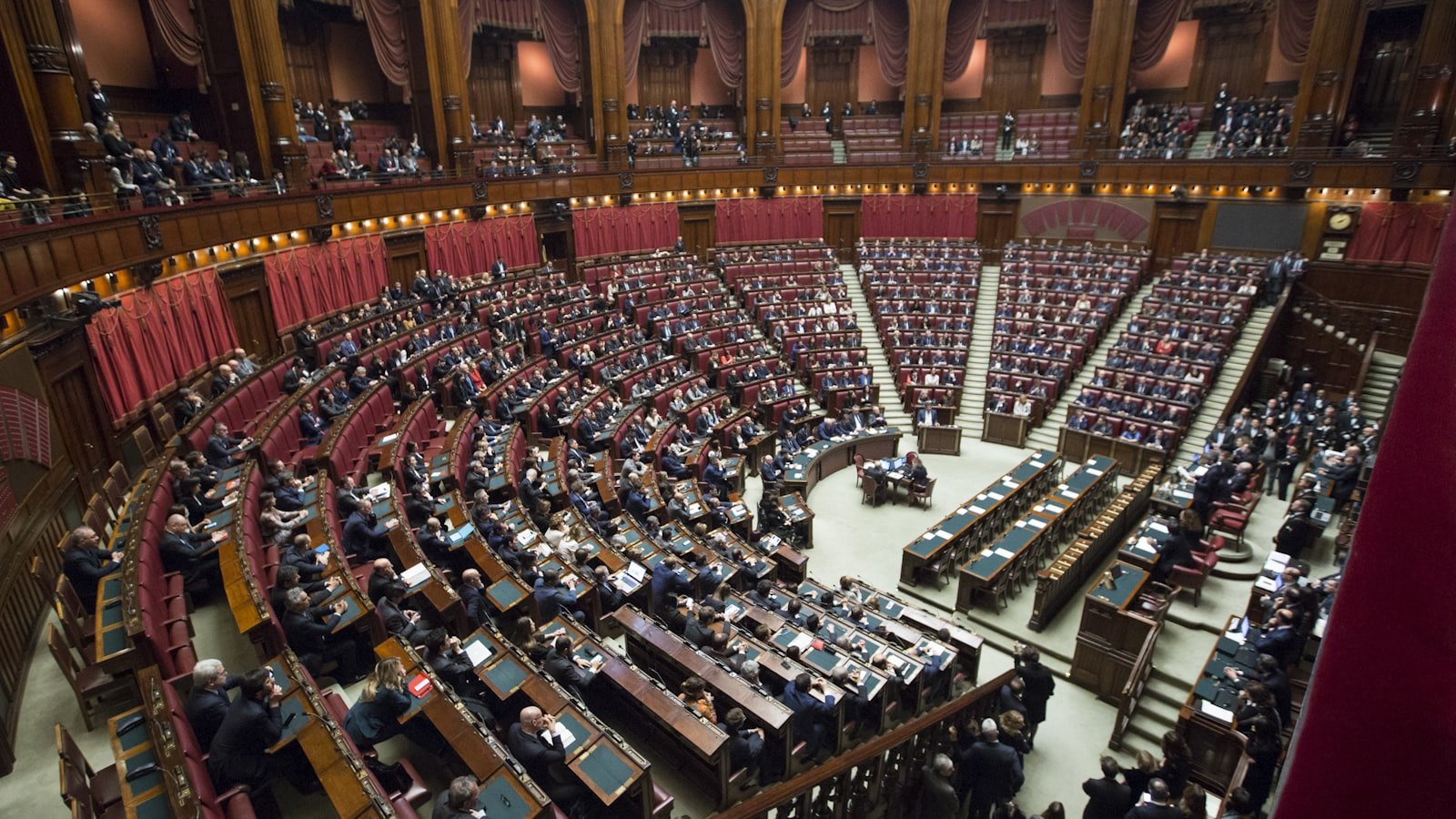
Officers in Port of Spain, the capital of Trinidad and Tobago. Photograph: Miami Herald/Tribune News Service/Getty ImagesView image in fullscreenOfficers in Port of Spain, the capital of Trinidad and Tobago.
Photograph: Miami Herald/Tribune News Service/Getty ImagesTrinidad and TobagoOutcry in Trinidad and Tobago after passing of police bill that could threaten press freedomJournalists are calling for an urgent amendment to the Special Operations Bill, which boosts police search and seizure powers.
Prefer the Guardian on GoogleJournalists in Trinidad and Tobago have called for an urgent amendment to a sweeping new bill that boosts police powers of search and seizure, which they argue threatens the country’s much-vaunted freedom of the press.
O governo afirma que o Projeto de Lei de Operações Especiais 2026, aprovado em 24 de setembro, foi concebido para combater as alarmantemente altas taxas de crime e homicídios na nação caribenha.
The country has spent more than a year in an almost perpetual state of emergency, with police empowered to bypass normal constitutional rights around arrest, detention and search and seizure.
But journalists in Trinidad and Tobago have called for explicit exemptions in the new legislation to prevent police from searching and seizing their notebooks, phones and laptops.
In the past, journalists have been forced to challenge warrants empowering police to raid their homes and offices.
Although the country prides itself in honouring freedom of speech, ranking 19 out of 180 countries in the 2025 Reporters Without Borders press freedom index, this year it fell 13 places to 32, and journalists say they are deeply concerned about whether they can protect whistleblowers and vulnerable sources who share information on the understanding that they will be protected.
O presidente da Associação de Mídia de Trinidad e Tobago (MATT), Prior Beharry, disse que a organização havia pedido que a cláusula 15 do projeto de lei fosse alterada urgentemente “para proteger explicitamente nossos dispositivos e materiais …”.
and confidential source information from standard police seizure”.
Beharry disse que os poderes de busca e apreensão da proposta de lei eram particularmente preocupantes em uma era digital onde “as ferramentas de um jornalista são.
geralmente um celular”. Embora ele tenha afirmado que jornalistas não foram diretamente ameaçados sob os recentes estados de emergência, ele advertiu que outras restrições estavam piorando.
The independent journalist Pearce Robinson said the combination of surveillance capability, expanded search powers – without explicit protection for journalistic practice – and declining access to government ministers created a “concrete” threat to press freedom, with a particularly significant impact on investigative reporting.
He also raised concerns about phone tapping and surveillance, pointing to an investigation by the Trinidad and Tobago Guardian which said that “judges approved 314 warrants to intercept communications in Trinidad and Tobago between 2020 and May 2026”.
Nesrine Malik, Micha Frazer-Carroll and the team guide you through the biggest Black stories from around the world.
Pedro Cárdenas of press freedom and human rights organisation Article 19 expressed concern about the clause in the new bill. “It empowers law enforcement officers to seize any vehicle, article or document deemed likely to be of substantial value.
We find this clause particularly problematic because it is vague and opens up to discussion what is substantial value or not,” he said.
Ele acrescentou que isso “might directly counter” as leis internacionais de direitos humanos existentes.
The office of the prime minister did not respond to a request for comment.
Stuart Young, ex‑primeiro‑ministro de Trinidad e Tobago, descreveu o projeto de lei como “inconstitucional e muito perigoso”, acrescentando que ele “viola direitos constitucionais fundamentais e enraizados” e foi aprovado “sem a maioria constitucional exigida em circunstâncias altamente questionáveis”.
He warned that the government’s past use of emergency powers — including detaining citizens without charge — showed “the real likelihood of abuse” under the new legislation.



Comentários
Participe da conversa. Comentários passam por moderação antes de aparecer.
Carregando comentários…