

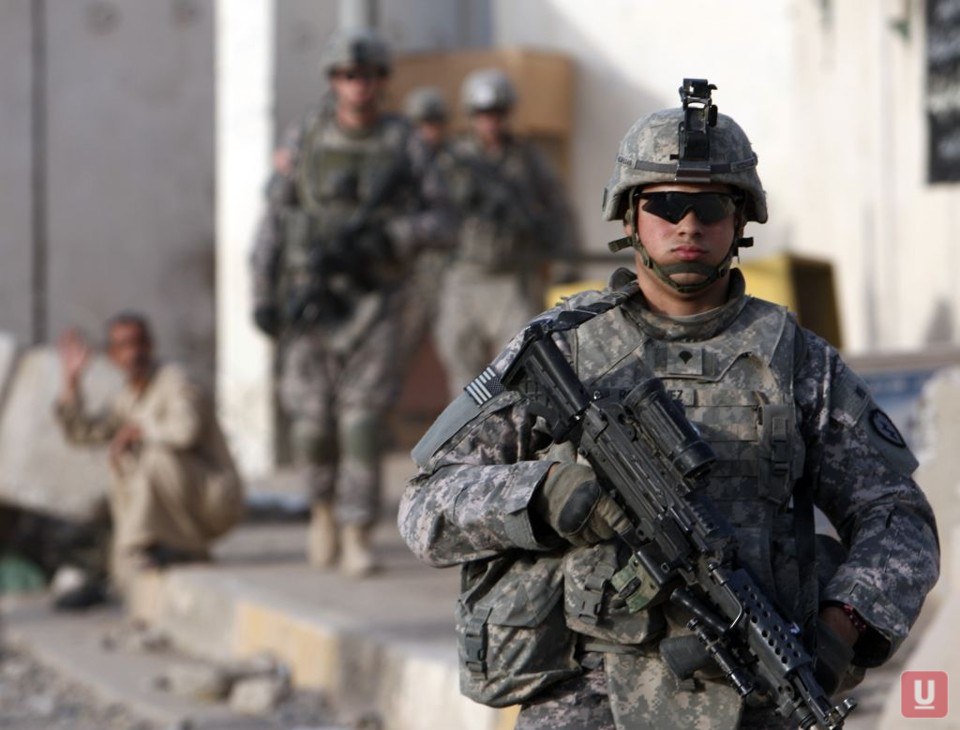
Wednesday’s withdrawal deadline affirmed the exodus of a few hundred remaining US soldiers in the country, who have served in advisory roles in a coalition operation against ISIL (ISIS) first launched in 2015.
- lista 1 de 3 Rubio alerta sobre a ‘Balkanisation’ do Iraque: isso é uma ameaça real.
- list 2 of 3Trump rejects Iran’s seven-day roadmap to end war and reopen Hormuz.
- list 3 of 3Iraq seeks US exemption from ban on Iranian flights.
- Al Jazeera Centre for Public Liberties & Human Rights.
- Iraq begins high-stakes security balancing act as US troops withdraw | US-Israel war on Iran News | Al Jazeera Skip linksSkip to Contentplay Live Sign upShow navigation menuNavigation menu.
Enquanto o plano de saída antecede o Primeiro-Ministro Ali al-Zaidi, ele se encaixa em sua visão mais ampla de reafirmar a autoridade estatal iraquiana. Isso inclui acelerar os esforços para desarmar todas as milícias do país até junho de 2027, incluindo vários grupos pro-Iran poderosos que lançaram ataques em toda a região durante a guerra entre os EUA e Israel com o Irã.
Speaking at the United Nations General Assembly (UNGA) last week, al-Zaidi said his government was “striving to ensure that the state is the ultimate decision-maker in matters of peace and war, and that weapons and tools of power remain in the hands of its constitutional institutions”.
He added, “With the end of the international coalition’s mission in Iraq, we are moving our relationship with our strategic partners to a new phase, moving from military cooperation to economic and development cooperation in service of our common interests.”.
De fato, a retirada dos EUA parece fazer parte de uma estratégia de al‑Zaidi para “politicamente enfraquecer” milícias influentes, incluindo aquelas ligadas ao Irã, segundo Douglas Silliman, ex‑embaixador dos EUA no Iraque e Kuwait.
Those militias have long pointed to the presence of the US military, and other foreign actors like Turkiye, as a pillar justification for maintaining their own weapons stores and chains of command.
Some have already indicated they will refuse to hand over their arms.
It is a high-stakes gambit, leaving room for Iran to assert greater influence in the country and opening the door to a potentially catastrophic domestic standoff down the line.
Isso também cria a possibilidade de aumento da pressão dos EUA caso grupos com base no Iraque continuem a atacar os ativos de Washington.
Iraq navigates new security reality.
Como o governo iraquiano navega pelo fim do desembarque da coalizão liderada pelos EUA, batizada de “Operation Inherent Resolve”, terá implicações de amplo alcance para a segurança futura do Iraque.
The country has remained relatively stable in recent years following the 2017 territorial defeat of ISIL, despite being enveloped by conflict and insecurity on its borders.
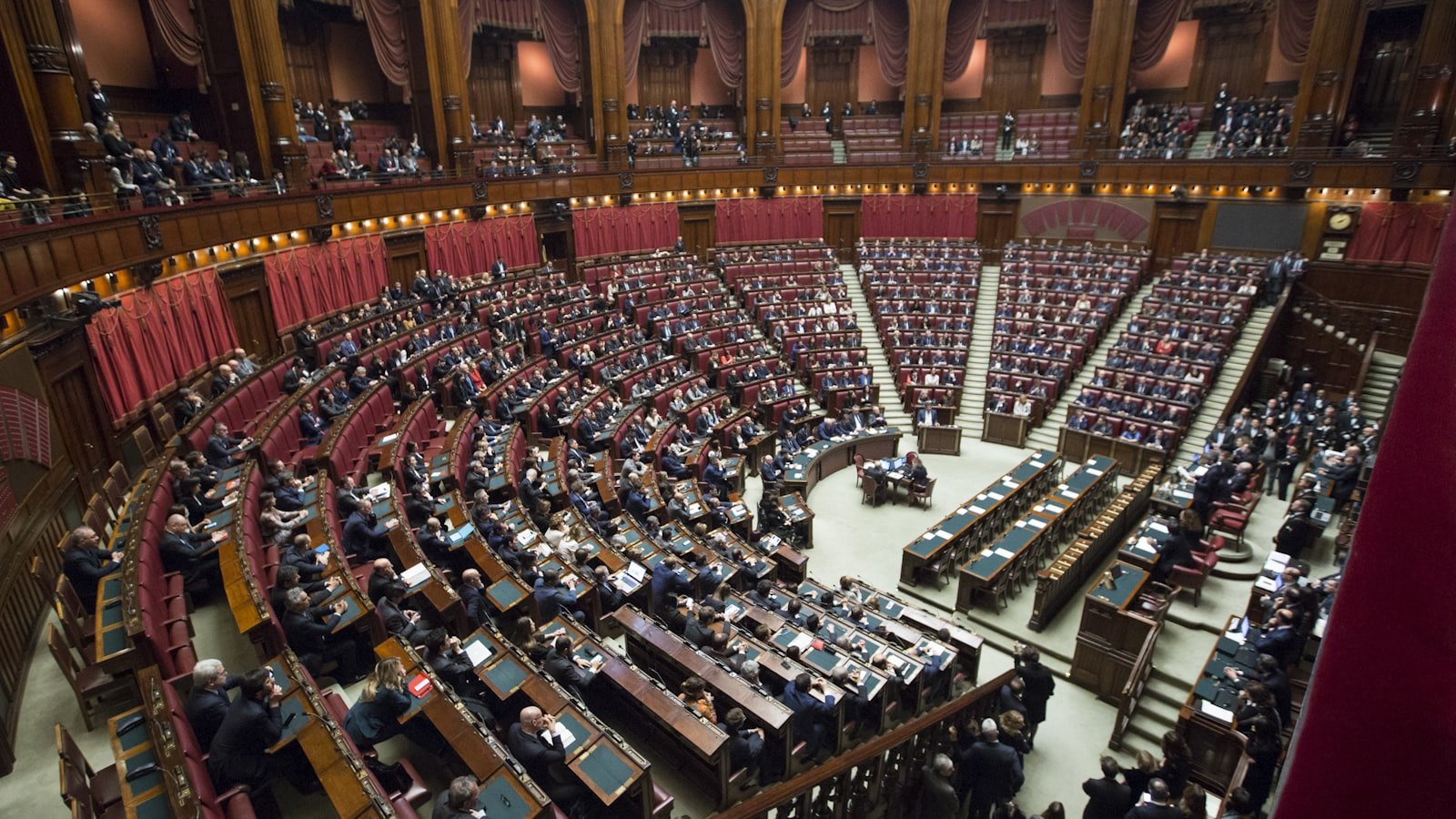
Essa estabilidade tem persistido em geral desde que os EUA iniciaram a retirada de tropas em 2020 sob o presidente Donald Trump, com o pessoal militar restante consolidando-se em uma base aérea em Erbil, na região semi‑autônoma curda do norte do Iraque, no final de 2025.
To be sure, al-Zaidi has already sought to build in some safeguards amid the wider effort to disarm and integrate militias into Iraqi government forces, pushing back on an initial September 30, 2026 deadline to June 2027 to bring all weapons under state control.
Al-Zaidi disse ao The New York Times no início deste mês que tanto o US quanto as milícias alinhadas ao Irã garantiram que se abstêm de qualquer ataque por 90 dias após a retirada do US, em um esforço para impedir que a situação se deteriore no curto prazo.
Still, Renad Mansour, director of the Iraq Initiative at Chatham House, said militias aligned with Iran’s “axis of resistance” in the region ultimately remain “in full-on war mode, working with the IRGC [Islamic Revolutionary Guard Corps] in the region.
And so they will continue to target US and US interests.”.
While al-Zaidi has promised continued integration and cooperation with the US and other Western allies, there is likely disquiet behind the rhetoric, Mansour assessed, with some seeing the US’s erstwhile presence in the country as having served as a bulwark against a wider policy pivot.
O alvo poderia, eventualmente, vir na forma de sanções ou em uma escalada de ataques dos EUA e Israel no território iraquiano, disse Mansour.
Mohammad Salih, a non-resident senior fellow at the Foreign Policy Research Institute and an expert on Iraq, also agreed that enthusiasm for the US troop withdrawal was likely more subdued within some segments of the Iraqi government than public statements – and national holidays – suggest.
Salih avaliou uma relutância subjacente em mudar o status quo de segurança em um momento de agitação regional, apontando para a ameaça contínua das células de sono do ISIL, as dinâmicas transfronteiriças em mudança em uma Síria pós-Assad, bem como a guerra entre EUA e Israel com o Irã.
The operational implications of the end to the US-led anti-ISIL mission remain difficult to assess.
In the wake of the withdrawal, the two countries appear to be reverting to a 2008 Strategic Framework and Security Agreement, signed under the administration of US President George W Bush, Salih said.
The deal pledges continued, if non-binding, US security support for Iraq.
Neither the Iraqi government nor the Pentagon have given a clear picture of what shape security cooperation could take going forward, particularly when it comes to the intelligence and logistical support that buoyed ISIL’s territorial defeat.
However, a regional source with knowledge of the situation told Al Jazeera the relationship is “likely to become less centred on a visible military footprint and more focused on intelligence, training, technical support, capacity-building and institutional cooperation”.
A fonte chamou a mudança de um “test of whether a relationship built for a period of military intervention can evolve into a more conventional partnership between sovereign states”.
Vários especialistas observaram que as forças de segurança iraquianas – incluindo seu exército, polícia, forças de contra‑terrorismo e milícias que lutaram como parte das Popular Mobilisation Forces – deram passos significativos na resposta ao ISIL.
That may potentially minimise any operational fallout from the physical exit of US personnel.
But while the Iraqi parliament approved a partial cabinet in May, several key security roles, including minister of defence, remain unfilled.
The Iraqi government also continues to lack a substantial air defence capability of its own, which could prove a major weakness if the domestic security situation were to spiral, Silliman said.
Kurdish officials have been among the most vocal critics of the US withdrawal, pointing to a barrage of attacks on Iraq’s semi-autonomous Kurdish region by Iran and Iran-aligned militias thwarted by US anti-missile and anti-drone weapons this year.
While experts say the US may maintain limited air-defence capabilities in Iraq to protect its diplomatic assets, the military has reportedly removed its Erbil-based Patriot and C-RAM defensive systems from the country as part of the withdrawal.
Para ter certeza, a retirada das tropas restantes dos US é apenas uma etapa em um esforço maior, de anos de duração, para transformar o relacionamento US-Iraqi de militar para econômico.
Following the 2003 invasion as part of the US-led “global war on terror”, the US had initially withdrawn troops in 2011, only to redeploy them amid the rise of ISIL.
Falando na Assembleia Geral das Nações Unidas, al‑Zaidi prometeu uma “renaissance” econômica, comprometendo‑se a impulsionar a indústria petroquímica do Iraque e construir novas rotas de entrega de combustíveis fósseis além do Estreito de Hormuz.
The constriction of traffic in the strait amid the US-Israel war with Iran has had an outsized impact on Iraq, with its oil output dropping by as much as 60 percent in March.
For his part, during a meeting at the White House in July, US PresidentTrump pledged “a lot of deals” to come with Iraq, pointing to the country’s vast oil reserves.
Hamzeh Hadad, pesquisador adjunto do Programa de Segurança do Oriente Médio do Centro para uma Nova Segurança Americana, disse que não há sinais imediatos de que os EUA planejem uma mudança em massa em sua abordagem em relação ao Iraque, que ainda abriga a maior embaixada dos EUA do mundo em Bagdá e o maior consulado em Erbil.
But deeper economic integration may be stalled in the short term.
Lahib Higel, the deputy director of the MENA programme at the International Crisis Group, called on Washington to focus on cooperation, while avoiding “pressuring al-Zaidi into a military confrontation against pro-Iran groups that he is unlikely to win”.
Kristen Talman contributed reporting.
Advertisement ConnectConnectShow more Our ChannelsOur ChannelsShow more Our NetworkOur NetworkShow more Follow Al Jazeera English.

Comentários
Participe da conversa. Comentários passam por moderação antes de aparecer.
Carregando comentários…