


Pippa Neill, repórter de Meio Ambiente, Fri 9 Oct 2026 00. 00 EDT, Compartilhar Preferir o Guardian no Google Um encontro casual nas redes sociais levou à corrida contra o tempo para descobrir uma nova espécie de lírio d'água gigante que, até agora, estava escondida nas profundezas da selva colombiana.
But the plant, which is so huge it is visible from space, is already considered critically endangered.
Giant waterlilies, which can measure up to three metres across and carry the weight of a small child, are one of the oldest flowering plants in the world still alive today.
They existed before the continents split apart and are present throughout culture, from the Egyptians to Monet.
Jeremiah Harris, que tirou a foto e que dirige uma viveira de plantas carnívoras nos EUA, não estava ciente de seu significado, tendo identificado erroneamente o lírio d'água como a mais comum Victoria amazonica.
However, when Magdalena saw the photo, he “immediately suspected” something was unusual as the natural range of the Victoria amazonica does not extend to the Inírida River.
He messaged Harris to track down the exact location and spent several years analysing satellite imagery and securing the funds and necessary permits to allow him to verify the presence of the waterlily for himself.
Along with a team from the Jardín Botánico in Bogotá and members of the local indigenous reserves, Magdalena went on a five-day expedition deep into the rainforest.
Eles passaram vários dias explorando a selva inundada sem sucesso, até, no último momento, o motorista lhes indicou onde procurar. Com apenas 10 horas restantes até o voo de retorno, a equipe navegou durante a noite na completa escuridão até um pequeno lago profundo na floresta tropical inundada, onde localizaram uma população de lírios d'água.
View image in fullscreenCarlos Magdalena with a Victoria colombiana leaf. Photograph: Mauricio Bernal/Royal Botanic Gardens, Kew“It was so emotional I shed a tear, it was one of those moments that will remain with me for life,” Magdalena said.
The team collected the material needed to begin a formal identification, with a paper published on Friday in the journal Phytotaxa confirming it as a new species to science.
A água-lírio recebeu o nome oficial Victoria colombiana. Existem apenas três outras água-lírios gigantes conhecidas.
Read moreHarris, who is an author of the study, said his friends always teased him for taking selfies with plants, but the fact this one ended in the discovery of a new species was “incredible”.
Magdalena disse: “Esta é uma das histórias extraordinárias em que o conhecimento indígena e horticultural, com a ajuda das redes sociais e da tecnologia, se uniram para revelar uma conquista botânica verdadeiramente extraordinária.”.
The team estimates there are between 30 and 50 of the Victoria colombiana waterlilies in the wild, making them extremely rare and at risk of extinction.
Maarten Christenhusz, a plant taxonomist who analysed the sample, said new species were found all the time, but few were as “large, spectacular and emblematic as this one.
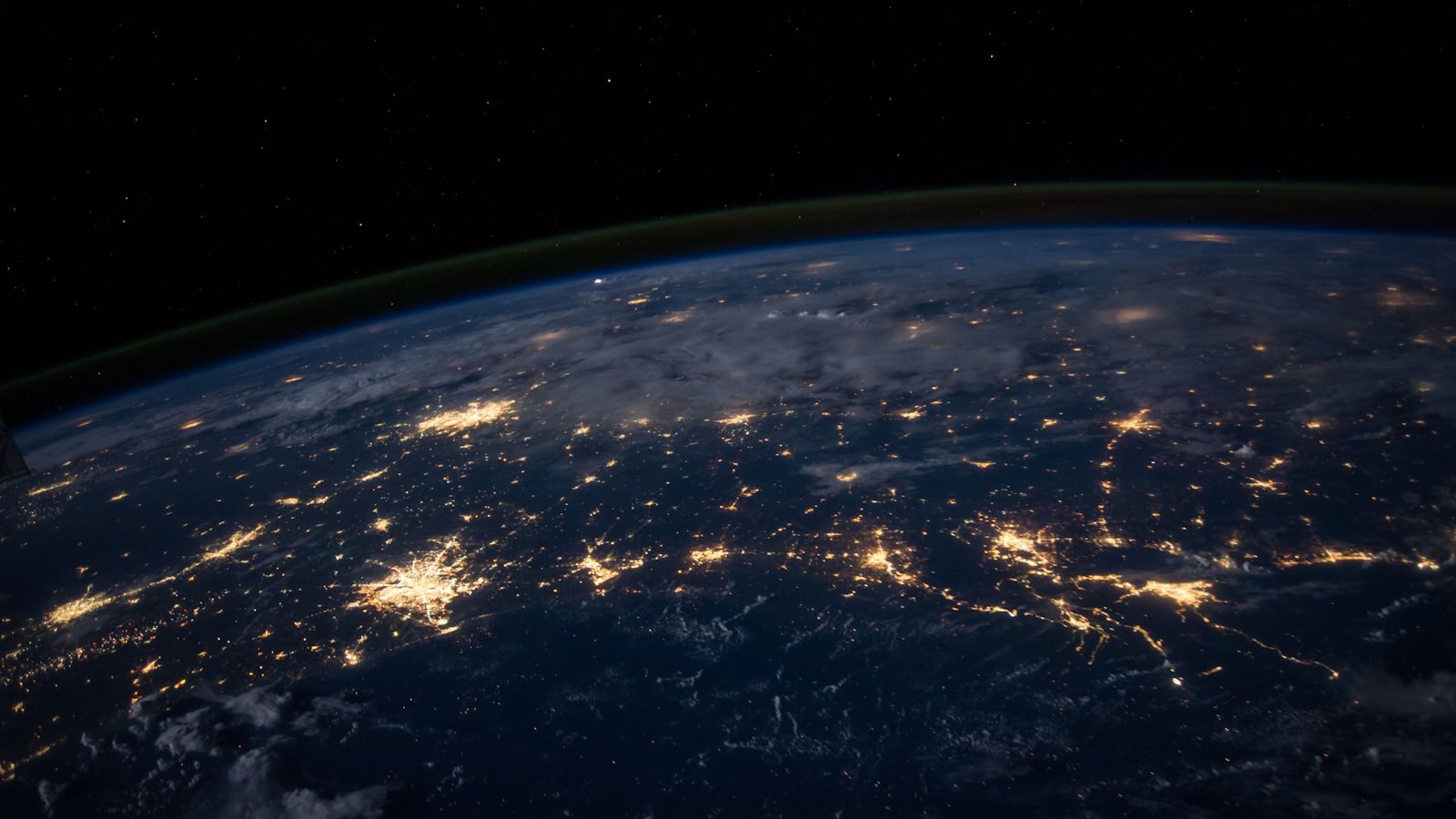
Esta nova gigante samambaia aquática pode até ser vista do espaço, o que é um lembrete marcante de quanto ainda não sabemos sobre a vida em nosso planeta.
View image in fullscreenResearchers inspect the newfound discovery. Photograph: Royal Botanic Gardens, KewThe team is working towards an official International Union for Conservation of Nature (IUCN) Red List designation.
Efforts are also under way to support the long-term conservation of the waterlily, including the possibility of establishing a naturalised population in a more accessible lake within indigenous territory.
The researchers hope to continue efforts to collect the plant’s seed, with the aim of cultivating it in Bogotá. If these efforts are successful, there is a chance the waterlily may be grown at Kew Gardens.



Comentários
Participe da conversa. Comentários passam por moderação antes de aparecer.
Carregando comentários…