


Live Click here to searchsearchSign upANALYSISNews|EnergyAs Macron visits Gulf, can France forge its own energy-for-security future? President Macron’s Gulf visit aims to address rising energy prices and strengthen ties amid regional security concerns.
- NewsShow more news sectionsMiddle East.
- list 1 of 3What help can Egypt offer Saudi Arabia in the war against the Houthis.
- list 2 of 3Qatar warns global energy shockwaves from Iran war have yet to peak.
- Al Jazeera Centre for Public Liberties & Human Rights.
- As Macron visits Gulf, can France forge its own energy-for-security future? | Energy News | Al Jazeera Skip linksSkip to Contentplay Live Sign upShow navigation menuNavigation menu.
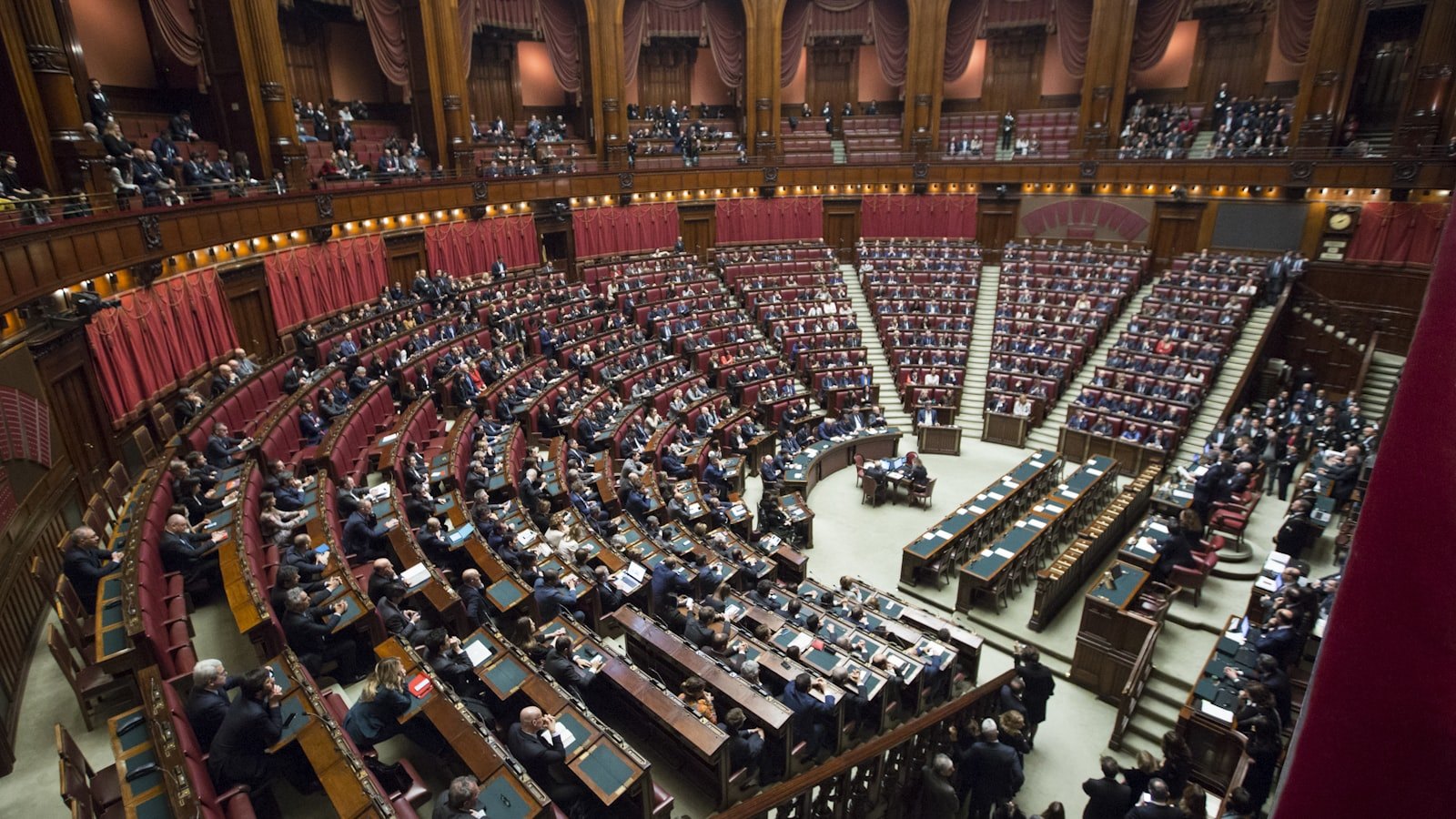
Parlamento egípcio adia votação sobre apoio militar à Arábia Saudita.
O líder francês espera fortalecer laços de defesa e garantir suprimentos de petróleo e gás em meio a uma grande interrupção nas remessas globais de combustível originada pela guerra entre os EUA e Israel contra o Irã.
He has already visited Kuwait and the United Arab Emirates (UAE) as part of his three-day trip. His next stop is Qatar.
No primeiro dia da viagem de Macron, França e Kuwait assinaram oito acordos e documentos de cooperação que abrangem defesa, inteligência artificial, investimento e mais.
Macron then met UAE President Sheikh Mohamed bin Zayed Al Nahyan in Abu Dhabi on Monday. The two leaders reaffirmed their commitment to advancing cooperation in energy, advanced technology and artificial intelligence (AI).
According to the Stockholm International Peace Research Institute (SIPRI) [PDF], France supplied 18 percent of the UAE’s arms and defence imports in 2025 – the second highest after the United States, at 42 percent.
But this isn’t all about simple trade.
Andreas Krieg, a senior lecturer at King’s College London’s School of Security Studies, explained that Macron’s visit to the region is “symptomatic of a much larger geopolitical transformation”.
Most pressing for Macron is finding solutions for strife at home.
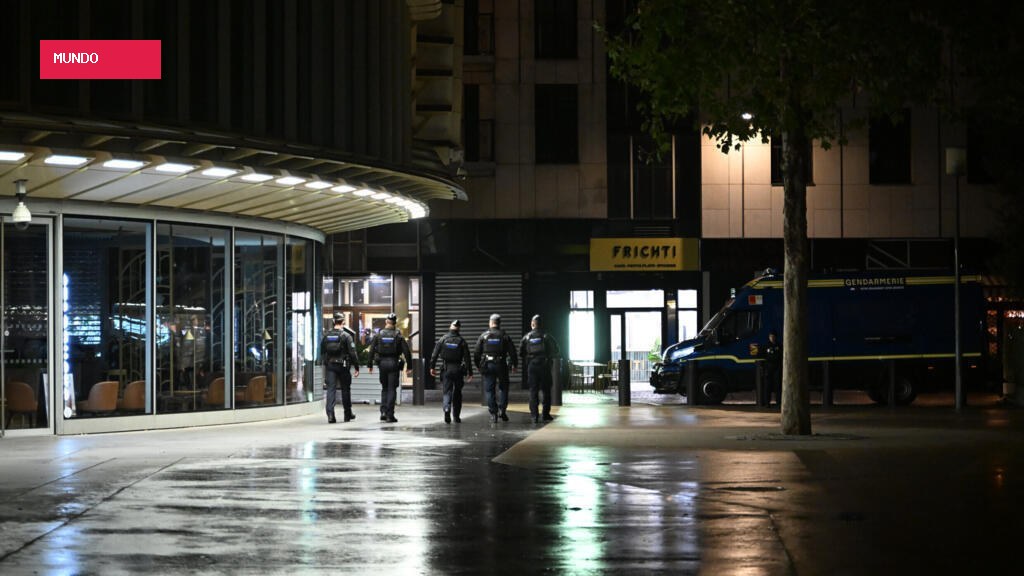
France has been engulfed in protests and violence over a proposed government budget seeking tens of millions of euros in savings to public spending. Protesters angry about the crumbling state of French schools and planned pay freezes for public-sector workers have taken to the streets in increasingly violent protests, and authorities have imposed curfews in some cities.
More than half a million people gathered across France on Saturday as protesters demanded better education infrastructure and government steps to address the cost-of-living crisis.
During weeks of protests, more than 2,500 people have been arrested, and demonstrations have descended into looting and arson in numerous locations.
A major issue is the spike in energy prices affecting all of Europe – much of it as a result of the Iran war – which has also fuelled growing public anger in France.
Disruptions to the supply of refined oil products such as petrol and diesel caused by the conflict in the Strait of Hormuz have caused up to 20 percent of French petrol stations to run out of both at various times since the conflict began.
What France needs most urgently, therefore, is new suppliers. Those look to have been secured.
On Tuesday, the UAE committed to supplying 100,000 tonnes (746,000 barrels) of diesel per month to France for an unspecified duration, according to Bloomberg.
Bahrain has agreed to supply 100,000 tonnes of diesel per month for an unspecified duration, while Saudi Arabia will provide 95,000 tonnes in each of October and November, via TotalEnergies.
Além de garantir importações de petróleo, no entanto, a França também busca aumentar suas próprias exportações, especialmente de seu equipamento de defesa para a região do Golfo, já que o país sofre com uma dívida nacional recorde – o nível mais alto desde o imediato pós‑Segunda Guerra Mundial, dizem analistas.
France has already strengthened its military partnership with Saudi Arabia, which has been battling the Iran-backed Houthi group from Yemen.
Last month, Macron said France would send troops and defence systems to Saudi Arabia to help protect the Red Sea port of Yanbu, which is crucial for energy transport.
Instalações de petróleo e aeroportos na Arábia Saudita foram alvo de ataques do grupo Houthi.
In late September, Macron said France would deploy what he termed “military means” to Saudi Arabia to help protect the Yanbu Red Sea oil terminal. Saudi Arabia’s East-West Pipeline, which carries oil from its eastern oilfields across the Arabian Peninsula to the Red Sea, has come under attack during the Iran conflict.
É o principal meio do país de continuar exportando petróleo enquanto o crítico Estreito de Hormuz permanece interrompido. Mas os Houthis do Iêmen também têm atacado navios sauditas no Mar Vermelho.
Macron stated in a TV interview that “soldiers, radars, defence systems” would be sent.
While he did not give specifics about volumes, it was a move described by French newspaper Le Monde as marking “a geopolitical shift”, as defence cooperation between the two countries has previously been “discreet, ambiguous and marked by extreme caution when it came to defining it”, the newspaper noted.
Na semana passada, o porta-voz do Ministério das Relações Exteriores da França, Pascal Confavreux, reafirmou que “elementos operacionais” para defender as instalações de petróleo da Arábia Saudita foram colocados em ação, sem especificar quais “meios militares” foram enviados.
Meanwhile, on Monday, French Foreign Minister Jean-Noel Barrot met with his Saudi counterpart, Prince Faisal bin Farhan Al Saud, to review bilateral relations and discuss regional developments.
Barrot also reaffirmed France’s solidarity with Saudi Arabia amid Houthi attacks.
Krieg avalia que a França pode oferecer aos estados do Golfo, em geral, algo que tem se tornado “increasingly valuable”: capacidades militares que não dependem totalmente dos EUA.
However, Krieg cautioned that the “central dilemma” for France is likely to be whether increasing its involvement in the region could draw it into the ongoing conflict.
Krieg explained that the same is likely to apply to naval deployments around the Strait of Hormuz, adding that “escalation in one theatre can rapidly affect another”.
Os laços da França com o Irã já estão tensos devido a expulsões diplomáticas de retaliação e retórica política entre as duas nações.
Em julho e agosto, a França condenou fortemente os ataques iranianos a navios no Estreito de Hormuz.
In July, two French Embassy staff members were detained in Tehran and then declared personae non gratae. Iran’s Foreign Ministry said the diplomats had “interfered in Iran’s internal affairs under the pretext of engaging with civil society”.
In August, French Foreign Minister Barrot expelled two Iranian diplomats in retaliation.
A new regional security architecture.
Speaking at the Global Security Forum in the Qatari capital, Doha, on Tuesday, US Envoy Tom Barrack said that Washington is moving away from its traditional security-for-oil relationship with the Middle East and no longer seeks to dominate the region.
Barrack acknowledged that, following months of Iranian strikes on their infrastructure, regional partners are increasingly recognising the limits of US involvement.
No próprio Oriente Médio, as parcerias de defesa cresceram. Em August, Saudi Arabia, Turkiye e Pakistan assinaram um pacto de segurança trilateral, também conhecido como Mecca Joint Defence Agreement.
The pact has been activated amid Houthi attacks on Saudi Arabia.
Mas agora pode haver uma abertura para outros atores externos – como a França – para desempenhar um papel maior.
Krieg said Gulf states do not believe France will replace the US, whose military and intelligence infrastructure remains unmatched. Rather, they want a “diversified network of security partnerships”.
Advertisement ConnectConnectShow more Our ChannelsOur ChannelsShow more Our NetworkOur NetworkShow more Follow Al Jazeera English.

Comentários
Participe da conversa. Comentários passam por moderação antes de aparecer.
Carregando comentários…